Green Tea Lemon Honey Flavor Bottles Ride the RTD Tea Wave
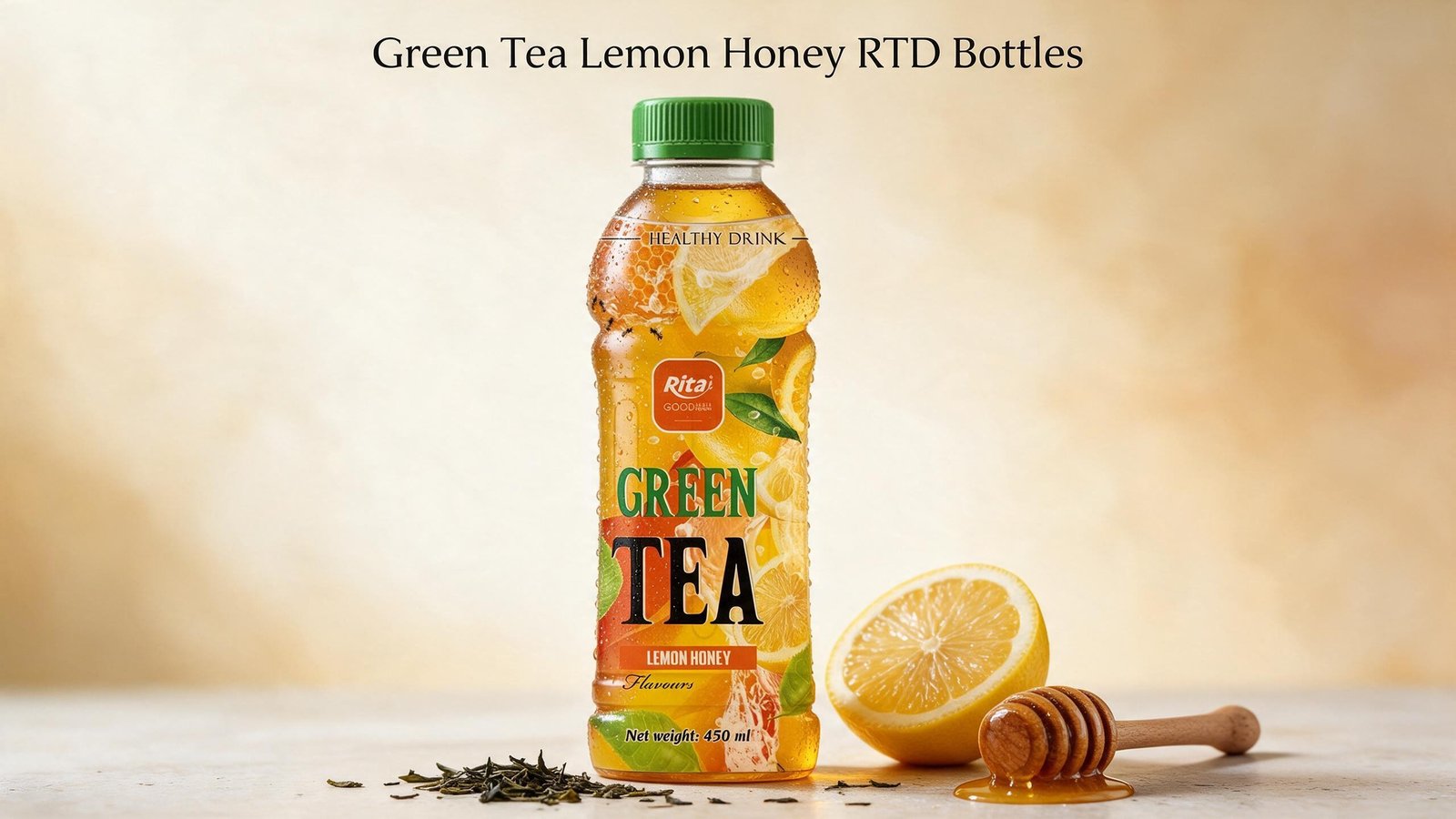
The ready-to-drink tea category has become one of the most closely watched segments in the global beverage trade, and flavored builds are pulling ahead of plain brews as importers hunt for rotation on convenience and grocery shelves. Among those builds, Green Tea with Lemon Honey Flavor has emerged as a dependable performer, pairing grassy tea notes with a bright citrus lift and a rounded honey sweetness that reads clearly across different palates. RITA Food and Drink Co., Ltd., the Vietnamese OEM and ODM beverage manufacturer established in 2004, has placed that profile inside a 450 ml PET format built for container-scale distribution. The 450ml Green Tea with Lemon Honey Flavor bottle anchors a wider range aimed at importers, distributors and private label buyers who need a tea SKU that travels well and documents cleanly.
Key Takeaways
- Lemon-honey green tea is tracking strongly with convenience and grocery buyers across Australia, New Zealand, Fiji and Papua New Guinea.
- The 450 ml PET format keeps freight economics predictable for container-based import programs into island distribution networks.
- RITA operates more than 50 automated production lines and ships over 1,200 containers monthly to buyers in 180+ countries.
- Halal, kosher and food safety certification stacks shorten clearance and retailer approval cycles.
- OEM and private label routes give regional distributors a fast path to a differentiated tea listing.
Green Tea with Lemon Honey Flavor Meets Oceania Retail Demand
Shopper behaviour in the region points to one clear pattern: flavored green tea outsells unsweetened rivals in impulse and chiller channels.
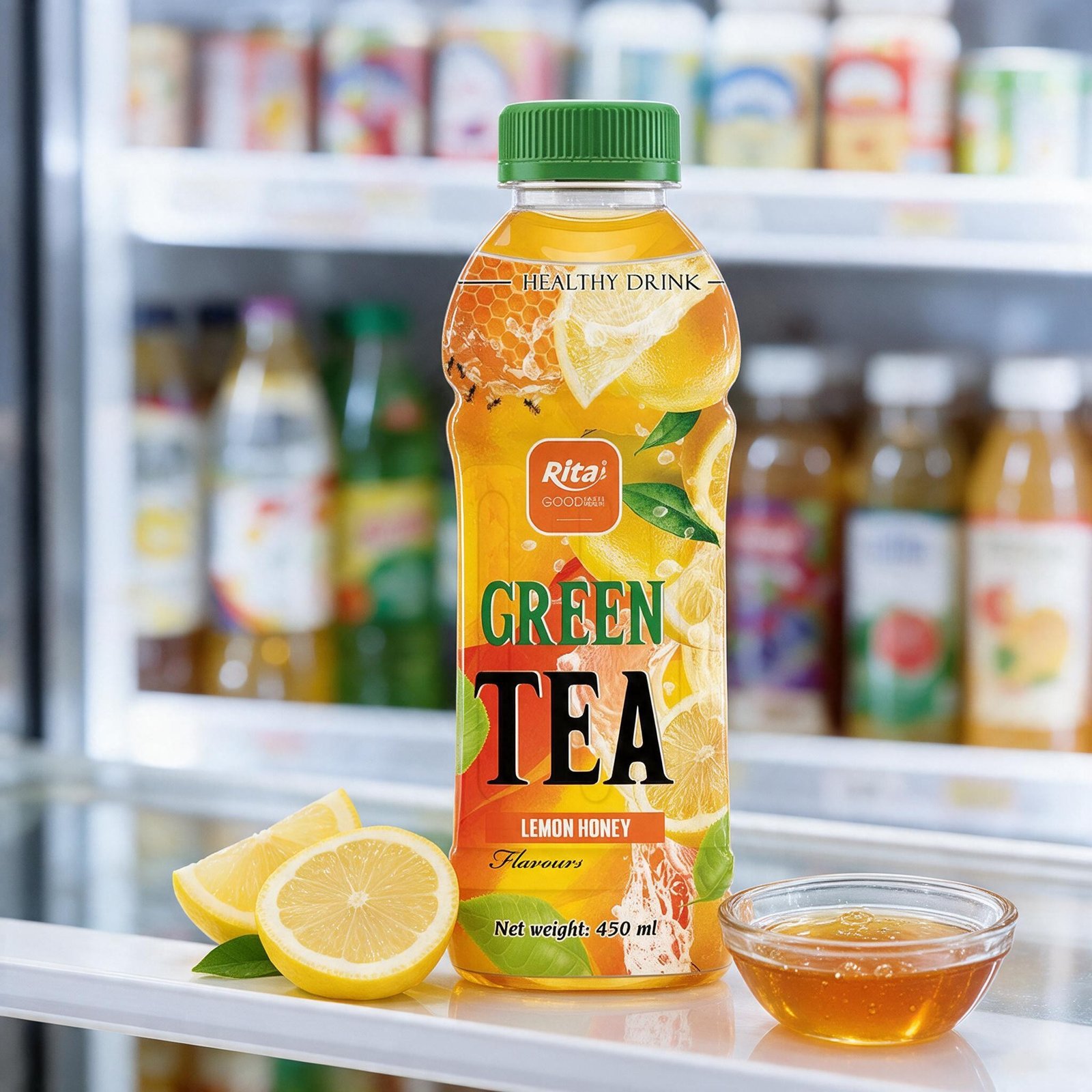
Across Australia and New Zealand, cold packaged tea has moved from a niche chiller item to a mainstream grab-and-go option, with private label facings expanding season on season. In Fiji and Papua New Guinea, imported bottled tea competes directly with carbonated soft drinks inside the same cold cabinet, and a lemon-honey profile tends to clear the barrier of unfamiliarity faster than a purely traditional brew. That translation matters for buyers. A flavor that needs no explanation shortens the education cycle with shoppers and simplifies first-time listing negotiations, which is why regional importers increasingly request a citrus-forward tea build when they open a new distribution territory or refresh an existing range.
Category buyers also report that repeat purchase behaviour is steadier on sweetened tea builds than on unsweetened ones, particularly in warm-climate trading where the drink is bought cold and consumed within minutes. For a distributor working across multiple islands, that stability reduces the risk of dead stock sitting in a warehouse between shipments, and it makes reorder forecasts easier to model against container lead times.
Why Lemon and Honey Travel Well
Lemon contributes a sharp, instantly recognizable top note that cuts through sweetness, while honey rounds the finish and softens the tannin edge of the green tea base. The result is a profile that sits comfortably both chilled from a vending machine and poured over ice at home, which broadens the occasions a single SKU can cover. Formulation flexibility is another draw. Because the sweetness is carried by honey rather than a single sugar system, producers can adjust dosage for different levies or labeling rules without losing the flavor signature that buyers expect on the second and third repeat purchase.
Packaging Choices That Hold Up in Transit
The 450 ml PET bottle is a pragmatic choice for long ocean lanes. It is lighter than glass, resistant to breakage during transshipment between island ports, and stacks efficiently on pallets, which lowers the landed cost per unit for distributors operating thin logistics margins. The closure is a standard green screw cap that keeps the golden-amber liquid sealed and allows resealing after opening, a small but real advantage for consumers who drink part of the bottle and refrigerate the rest. Label artwork on the RITA variant uses warm orange and yellow tones with lemon slices, green tea leaves and a honeycomb motif, giving the pack a visual identity that is easy to spot in a crowded chiller door.
Composition and Taste of the Green Tea with Lemon Honey Flavor Blend
Three ingredients carry the entire profile, and each one has a defined role in the glass.
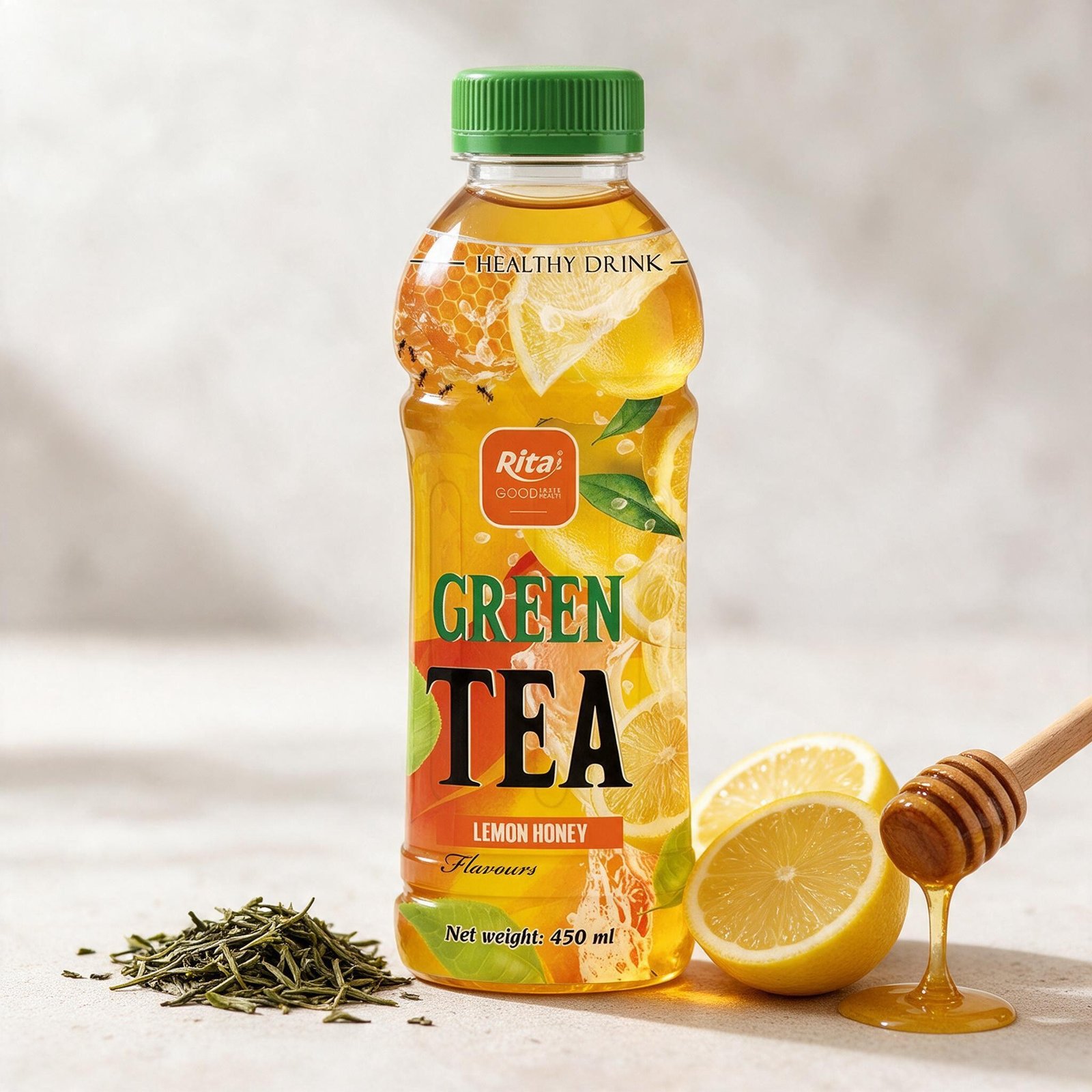
The base is Green Tea with Lemon Honey Flavor built from green tea leaves that undergo minimal oxidation during processing, which keeps the liquor light and the taste clean rather than heavy or stewed. Natural lemon flavor provides the bright, tangy edge that makes the first sip immediately legible, and honey supplies a mellow sweetness that lingers without becoming cloying. In the bottle the liquid presents as a clear golden-amber color, with a fresh citrus aroma on opening and a smooth, lightly sweet finish. Consumers describe the drink as refreshing and easy to repeat, which is exactly the profile buyers want from a mainstream tea listing that has to compete with sodas on the same shelf.
- Net volume: 450 ml
- Packaging: PET bottle with green screw cap
- Ingredients: green tea, natural lemon flavor, honey
- Appearance: clear golden-amber liquid
- Serve: chilled, over ice, or straight from the chiller
Certification coverage is a big part of why this SKU travels. The product is produced under ISO, HACCP, GMP and FSSC 22000 systems, with halal certification from Jakim and HCA-GCC bodies and kosher recognition, while the wider RITA portfolio carries BRC and SMETA audits. For importers in markets where documentation is checked at the border, that stack removes weeks of back-and-forth between the supplier and the importer's compliance team. It also makes the bottle a viable candidate for retailer own-label programs, where compliance packs are reviewed line by line before a purchase order is ever issued.
Sensory consistency matters as much as paperwork. Because the lemon and honey balance is held to a fixed specification across production runs, a buyer who approves a sample in one shipment can expect the same taste signature in the next container, which protects shelf reputation once shoppers have formed an expectation of the brand.
Where the Tea Leaves and Citrus Are Sourced
Raw material discipline is the quiet variable that decides whether a tea SKU tastes the same in Sydney as it does in Suva.
RITA traces much of its agricultural input base to the Mekong Delta raw material region, an area the company describes as a high-quality sourcing zone for beverages that require consistent color, aroma and sweetness from batch to batch. Close control over incoming material lets the R&D team hold the lemon-honey balance steady across production runs, which matters when a distributor orders thousands of cases against a single approved sample.
https://www.youtube.com/watch?v=jiBixXjeG8A
The sourcing story also supports traceability conversations with retail buyers, who increasingly ask where inputs originate before listing an imported drink. A documented origin chain shortens those discussions and gives sales teams a concrete answer during category reviews rather than a vague assurance.
RITA Food and Drink Co., Ltd Scales OEM Output for Tea Exporters
Capacity, not creativity, is usually the constraint when a regional importer tries to launch a tea line.
Founded in 2004, RITA Food and Drink Co., Ltd runs more than 50 automated production lines and exports over 1,200 containers every month to buyers in more than 180 countries. PET bottling alone runs at roughly 10,000 tons per month, a scale that lets the company absorb large seasonal orders without pushing delivery dates. Buyers looking at a dedicated partnership can review the company profile on the about us page or go straight to the structured OEM service program, which covers formula adjustment, label artwork, bottle format selection and shipment scheduling under one roof.
For distributors who prefer to start from an existing specification rather than develop one from scratch, the tea drink catalog lists ready-made builds including this lemon-honey variant, while the tea, honey and fruit series shows how far the platform can be stretched with alternate flavor systems and fruit inclusions. Either route gives a buyer a working sample quickly, which is the fastest way to test shelf fit before committing to a full container order.
The same listing is available in detail at the 450ml Green Tea with Lemon Honey Flavor product page, where specifications, packaging photographs and certification references sit together for procurement teams. Having one canonical page also simplifies internal approvals, since quality, logistics and marketing can review the same document set instead of trading attachments by email.
Competitive Positioning in the RTD Tea Aisle
Price alone does not decide listings anymore; the conversation now includes format, flavor clarity and documentation.
| Attribute | Lemon Honey Green Tea, 450 ml PET | Plain unsweetened green tea | Carbonated tea soda |
|---|---|---|---|
| Flavor clarity | Immediate citrus-honey read | Requires an acquired taste | Sharp, candy-leaning finish |
| Packaging | PET bottle, green screw cap | PET bottle or can | Can or PET |
| Serve style | Chilled or poured over ice | Chilled or hot | Chilled only |
| Documentation | ISO, HACCP, FSSC, halal, kosher | Varies by supplier | Varies by supplier |
| Island distribution fit | High, lightweight and low breakage | High | Medium, pressure handling required |
Comparison prepared by juice9.com editorial from published product specifications and category observation on regional retail shelves.
The broader beverage industry is also reshuffling around still-drink opportunities. Heineken's acquisition of Brazilian beer and yerba-mate company Better Drinks, Super Bock's promotion of its chief financial officer to chief executive, and Zevia's raised full-year forecast after a strong third quarter all point the same way: groups are adding adjacent drink platforms through deals and disciplined portfolios rather than building them slowly from zero. For independent importers, that means the mid-market tea aisle remains open territory where a well-specified lemon-honey build can win facings without fighting a giant's marketing budget.
Private label is the other lever. Retailers across the region continue to widen own-brand ranges in chilled tea, and a supplier that can offer the same lemon-honey profile under a buyer's artwork, with halal and kosher paperwork attached, becomes an easy shortlist candidate during range reviews.
Frequently Asked Questions
What is the 450ml Green Tea with Lemon Honey Flavor bottle?
It is a 450 ml PET bottled drink from RITA built on minimally oxidized green tea leaves, natural lemon flavor and honey, with a clear golden-amber color and a bright citrus-forward taste. The product page with full specifications is available here.
Which packaging format does the drink use?
The drink is filled in a 450 ml PET bottle closed with a green screw cap. The format is lightweight, resists breakage in transit and stacks efficiently on pallets, which suits long ocean routes into island markets.
What certifications support the product?
Production runs under ISO, HACCP, GMP and FSSC 22000 systems, with halal certification from Jakim and HCA-GCC bodies and kosher recognition. The wider RITA portfolio also holds BRC and SMETA audits.
Can the flavor be adjusted under an OEM program?
Yes. RITA operates a structured OEM and ODM service covering formula adjustment, label artwork and bottle format selection, and buyers can start from the existing lemon-honey build or brief a variation for their own market.