Pure Coconut Water No Add Sugar in PET Bottles — A Growing Trend for US Importers and Distributors
The global beverage market is witnessing a significant shift toward natural, minimally processed drinks, with pure coconut water leading the charge. For importers and distributors in the United States, the demand for 100% pure coconut water with no added sugar has never been higher.
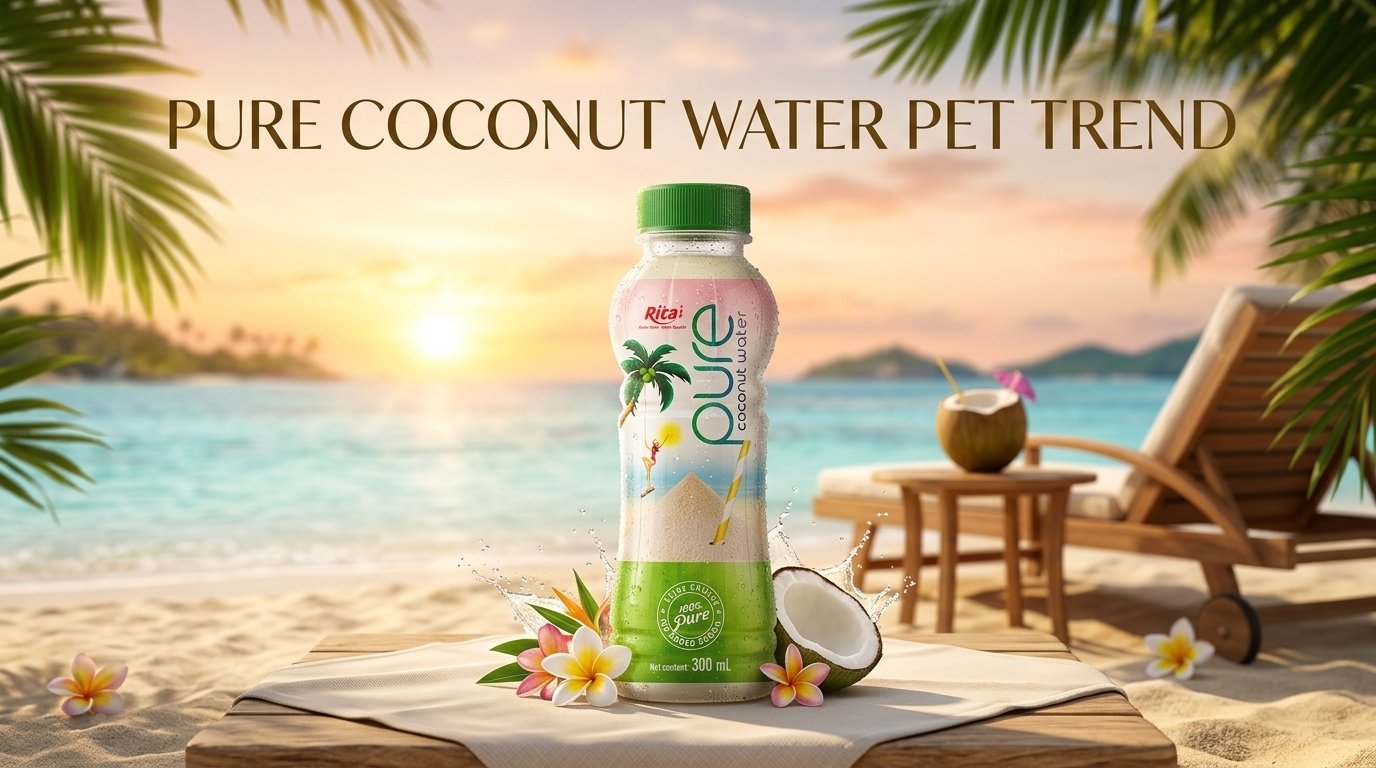
This article explores the market dynamics, supply chain considerations, and business opportunities surrounding this product, using the 300ml Pet Bottle Best Tasting 100% Pure Coconut Water No Add Sugar as a case example.
Key Takeaways
- The US market for pure coconut water no add sugar is expanding, driven by consumer preference for natural beverages.
- PET bottle packaging offers lightweight, shatterproof, and cost-effective advantages for logistics and retail.
- Vietnamese manufacturers like RITA provide scalable OEM/ODM solutions, meeting US import requirements with certifications like USDA Organic and BRC.
- Secondary markets in Europe and the Middle East also present strong opportunities for bulk coconut water export.
- Understanding shelf life (18 months), MOQ (200 cartons), and supply ability (300 containers/month) is critical for successful distribution.
Why Pure Coconut Water No Add Sugar Captures the US Market
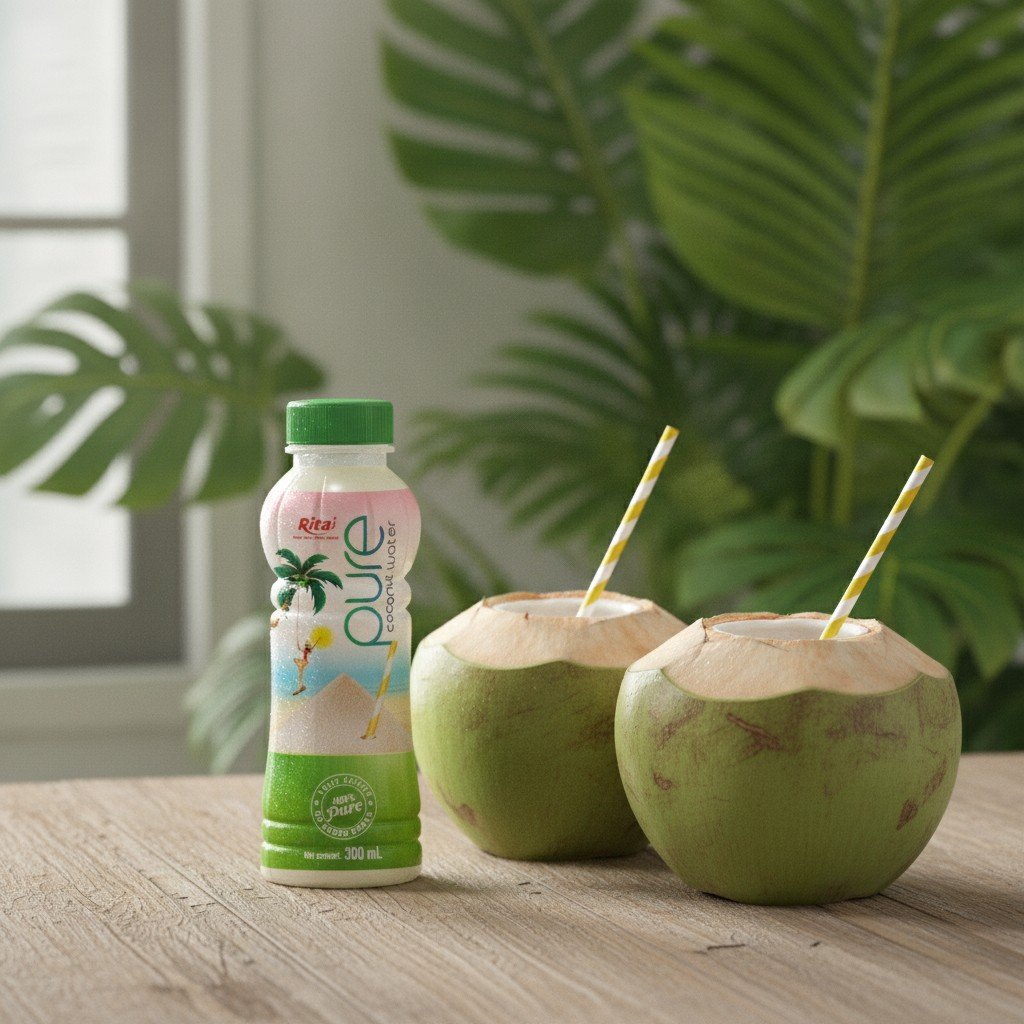
The United States is one of the largest importers of coconut water globally, with sales exceeding $1 billion annually. American consumers increasingly seek beverages with clean labels—products that list only one ingredient: coconut water. The pure coconut water no add sugar segment aligns perfectly with this trend. Unlike sweetened versions, unsweetened coconut water appeals to health-conscious buyers who want natural hydration without artificial flavors or sugars.
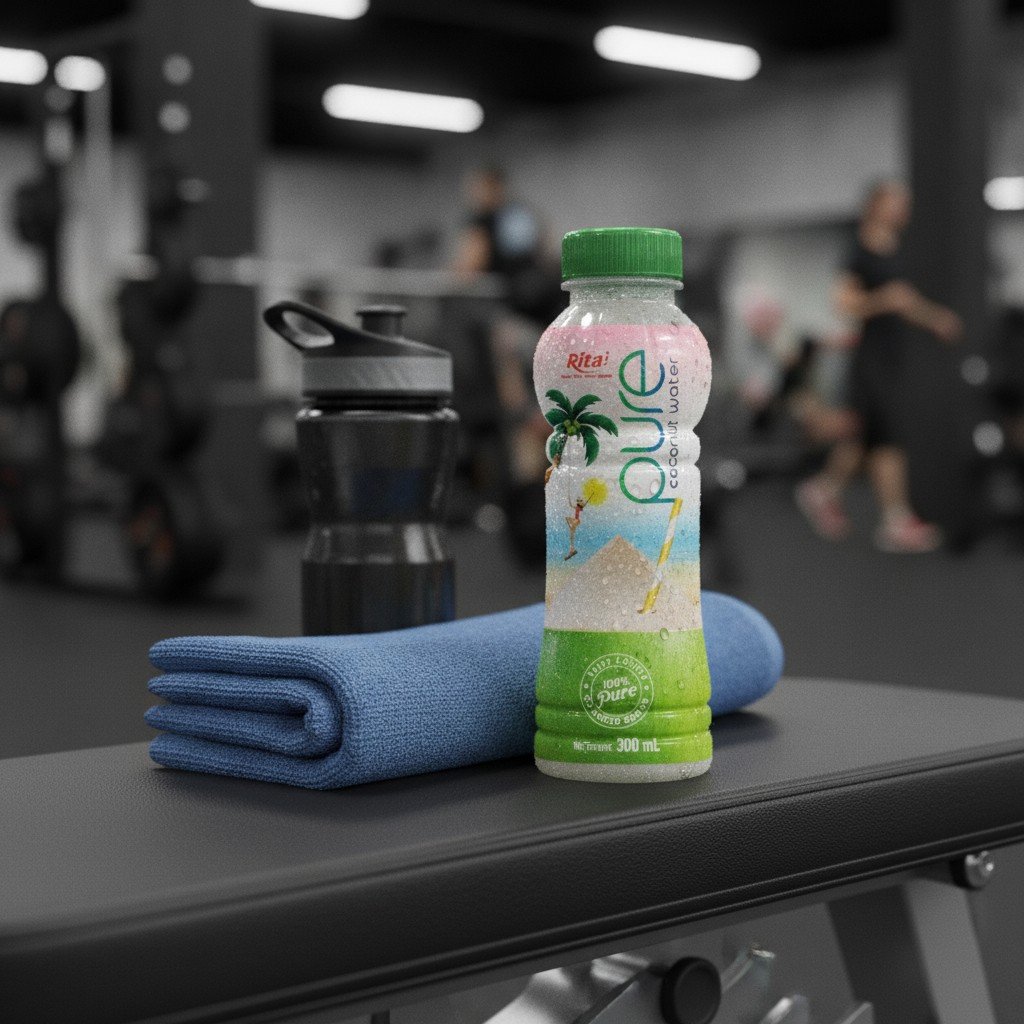
According to industry reports, the US non-alcoholic beverage sector has seen a compound annual growth rate (CAGR) of 6-8% for coconut water over the past five years. This growth is fueled by its versatility as a post-workout drink, a mixer in smoothies, and a standalone refreshment. For importers, sourcing a consistent supply of high-quality, unsweetened coconut water is a strategic move to capture this demand.
Packaging Preferences: PET Bottle Advantages for US Retail
The 300ml PET bottle format is particularly well-suited for the US market. PET (polyethylene terephthalate) is lightweight, durable, and fully recyclable, aligning with sustainability goals of many retailers and consumers. For distributors, PET bottles reduce shipping costs compared to glass or cans, as they weigh less and are less prone to breakage. The 300ml size is ideal for single-serve convenience, fitting easily into lunchboxes, gym bags, and vending machines.
Moreover, PET bottles offer excellent clarity, allowing the natural color of coconut water to be visible—a key selling point for premium products. The shelf life of 18 months for this product ensures ample time for import, warehousing, and retail rotation, minimizing the risk of spoilage in the supply chain.
Market Opportunities in the United States
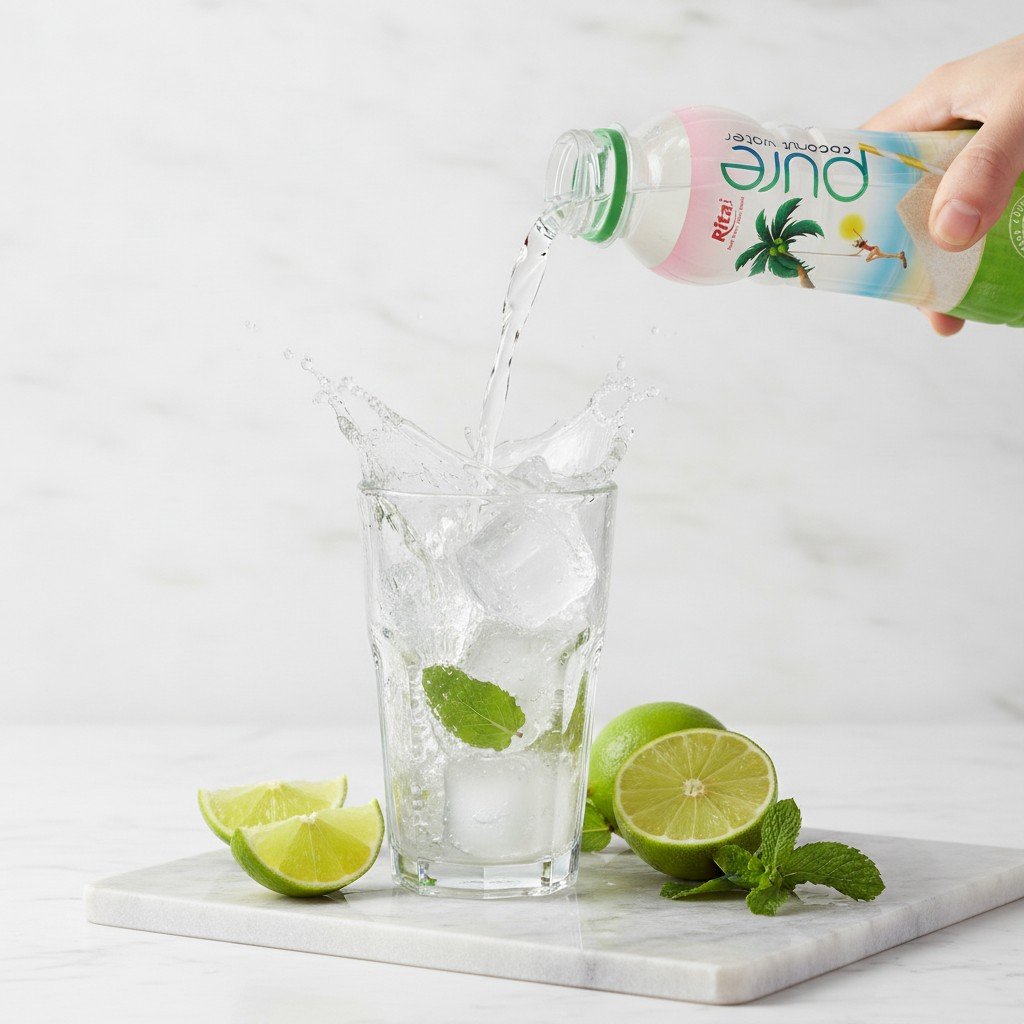
The US market for pure coconut water no add sugar is not just about retail shelves. It extends to food service, including coffee shops, smoothie bars, and hotel chains. Many establishments use coconut water as a base for tropical drinks or as a mixer in cocktails. For example, a 300ml PET bottle can be served directly or used as a portion-controlled ingredient in commercial kitchens.
Another growing channel is direct-to-consumer (DTC) e-commerce. Brands like Vita Coco and Zico have proven that coconut water sells well online, especially through subscription models. Importers can leverage private label opportunities to create their own brand, differentiating on purity and packaging. The 300ml Pet Bottle Best Tasting 100% Pure Coconut Water No Add Sugar offers a ready-to-brand solution, with customizable label designs and flexible MOQ starting at 200 cartons per order.
From a regulatory perspective, the US Food and Drug Administration (FDA) requires that imported beverages meet specific labeling and safety standards. Products from Vietnam, such as those produced by RITA, often come with certifications like USDA Organic, BRC, and FSSC 22000, simplifying the approval process for US importers.
Secondary Markets: Europe and the Middle East
Beyond the US, Europe and the Middle East represent significant opportunities for pure coconut water no add sugar. In Europe, consumers in Germany, the UK, and the Netherlands are driving demand for natural beverages, with coconut water seeing double-digit growth in the health food segment. The EU’s strict regulations on added sugars make unsweetened coconut water a compliant choice. PET bottles are preferred in Europe for their recyclability, especially in countries with deposit-return schemes.
In the Middle East, coconut water is gaining popularity as a premium non-alcoholic beverage in hotels, resorts, and supermarkets. The region’s hot climate creates a natural demand for hydration drinks. The 300ml PET bottle is convenient for on-the-go consumption in cities like Dubai, Riyadh, and Doha. Vietnamese exporters benefit from competitive pricing and proximity to shipping routes via the Port of Ho Chi Minh.
Supply Chain and Production Capabilities
For importers, understanding the production capacity of suppliers is crucial. The product in question is manufactured with a supply ability of 300 twenty-foot containers per month, supported by a PET bottle production base of 10,000 tons per month. This scale allows for consistent order fulfillment, even during peak seasons. The QC team of 40 professionals ensures that every batch meets international standards, including ISO, HACCP, and HALAL certifications.
Delivery time is 20-25 days after order confirmation, with shipping from Cat Lai Port in Ho Chi Minh City. This turnaround is competitive compared to suppliers from other regions, such as Southeast Asia or Latin America. Additionally, payment terms of L/C or T/T provide flexibility for different business models, whether for bulk import or trial orders.
OEM and Private Label Opportunities
One of the most attractive aspects for US distributors is the OEM/ODM service offered by manufacturers like RITA. Importers can customize the product formulation—adjusting sweetness levels, adding natural flavors, or even blending with other fruit juices—while maintaining the core appeal of pure coconut water. The coconut beverage products line from RITA includes options for private labeling, allowing brands to build their identity without heavy upfront investment in production facilities.
For startups entering the beverage space, this model reduces risk. The manufacturer handles everything from sourcing raw materials to bottling and packaging, while the importer focuses on marketing and distribution. With a minimum order quantity of 200 cartons, even small businesses can test the market before scaling up.
Logistics and Distribution Best Practices
Importing pure coconut water no add sugar in PET bottles requires careful logistics planning. The product’s 18-month shelf life provides a buffer, but proper storage conditions—cool, dry environments—are essential to maintain quality. For US importers, partnering with a freight forwarder experienced in beverage imports can streamline customs clearance, especially when dealing with FDA documentation.
Distribution channels vary by market. In the US, mainstream grocery chains like Whole Foods and Kroger are natural fits for premium coconut water. Specialty stores, such as Asian supermarkets or organic co-ops, also offer strong sales potential. For B2B buyers, bulk purchasing options (e.g., pallets of 300ml PET bottles) are available, with discounts for larger volumes.
Future Trends and Consumer Insights
Looking ahead, the pure coconut water no add sugar category is expected to grow further as consumers prioritize transparency and simplicity in their food choices. Innovations in packaging, such as resealable caps or multi-packs, could enhance convenience. Additionally, the rise of functional beverages—though not claimed as health benefits—positions coconut water as a versatile base for fusion drinks, such as coconut water with aloe vera or coconut water with fruit pulp.
For importers and distributors, staying ahead means understanding regional preferences. In the US, flavor variations like coconut water with pineapple or mango are popular, while in Europe, plain unsweetened versions dominate. By working with a supplier that offers flexible formulation, businesses can tailor products to local tastes without sacrificing the core purity that drives the category.
Frequently Asked Questions
What is the shelf life of pure coconut water no add sugar in PET bottles?
The product typically has a shelf life of 18 months when stored in a cool, dry environment. This is standard for aseptic-filled PET bottles, ensuring long-term stability for import and retail.
What certifications are required for importing coconut water into the US?
For US import, common certifications include USDA Organic, BRC, FSSC 22000, and FDA compliance. Vietnamese suppliers like RITA often hold these certifications, simplifying the import process.
What is the minimum order quantity for PET bottle coconut water?
The MOQ is typically 200 cartons per order, which is accessible for small to medium-sized distributors. Larger orders may qualify for volume discounts.
Can I customize the label or flavor for private label coconut water?
Yes, OEM/ODM services allow for custom formulation, including adjusting sweetness levels or adding natural flavors. Label design and packaging size can also be tailored to your brand.
How long does shipping take from Vietnam to the US?
Delivery time is 20-25 days after order confirmation, with shipments from Cat Lai Port, Ho Chi Minh City. Freight to US West Coast ports typically takes 15-20 days by sea.