Global Red Grape Juice Market Opportunities for Beverage Importers
The global beverage industry is undergoing a significant transformation, with consumers increasingly seeking natural and minimally processed options. This shift is particularly evident in the fruit juice segment, where products like 100% natural red grape juice are gaining traction among health-conscious buyers.
For importers, distributors, and HORECA professionals, understanding these trends is essential for capitalizing on emerging market opportunities.
Key Takeaways
- Global demand for natural fruit juices is rising, driven by consumer preference for clean-label beverages.
- Importers can leverage OEM/ODM partnerships to customize 100% natural red grape juice for local markets.
- The HORECA sector offers significant potential for single-serve formats like the 325ml sleek can.
- Vietnam-based manufacturers, such as RITA, provide competitive advantages in production scale and quality certifications.
- Cross-border trade in natural red grape juice is expanding, with opportunities in North America, Europe, and Asia.
Global Beverage Market Trends Driving Natural Juice Demand
The global fruit juice market is projected to grow steadily, with natural and organic varieties leading the charge. Consumers are moving away from sugary, artificially flavored drinks toward products that offer authenticity and transparency. The 100% natural red grape juice segment benefits from this trend, as it aligns with the clean-label movement that prioritizes simple ingredient lists.
Consumer Preference for Single-Serve Packaging
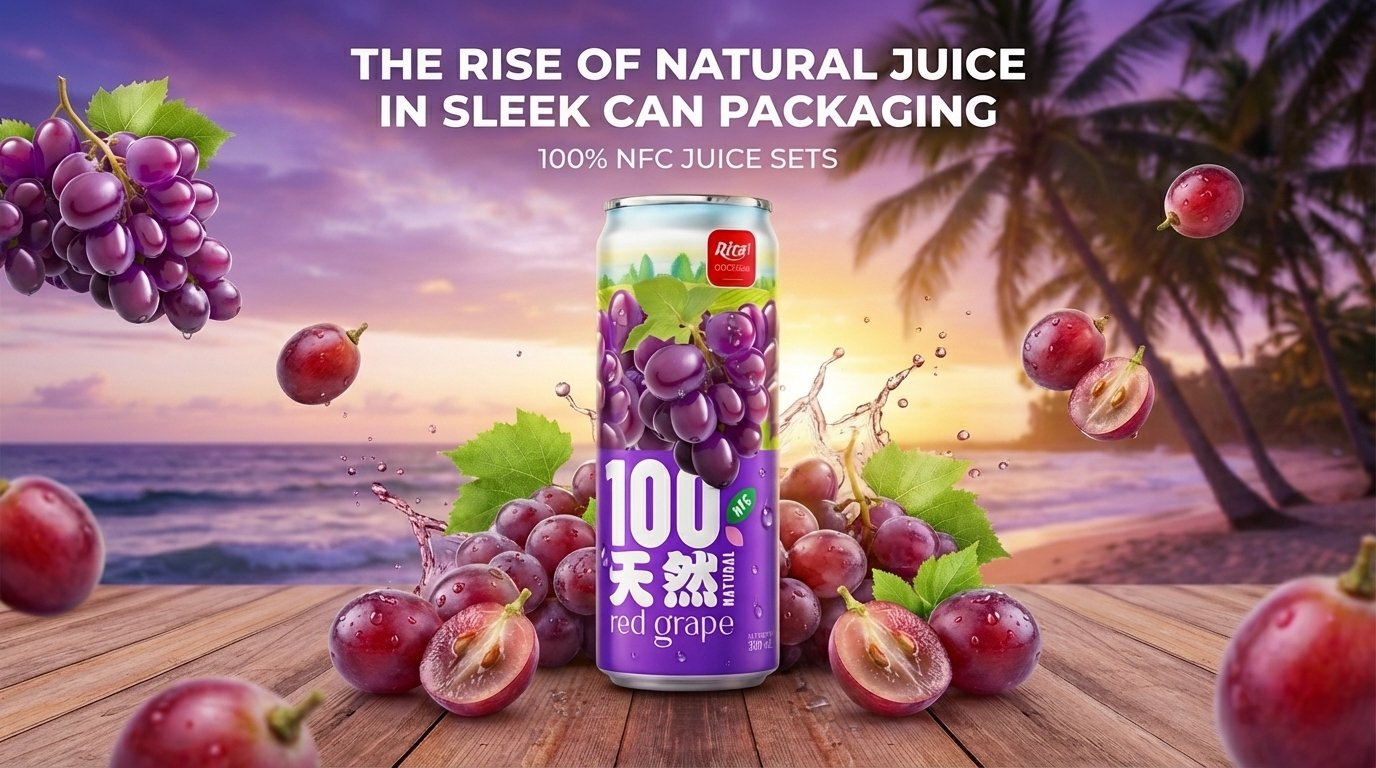
Portion-controlled packaging, such as the 325ml sleek can, is increasingly popular in retail and on-the-go consumption. This format appeals to urban professionals and younger demographics who value convenience without compromising on quality. The sleek can design also offers excellent shelf presence and branding opportunities.
Rise of Functional and Premium Juice Categories
While functional beverages often dominate headlines, natural fruit juices remain a staple in many diets. Red grape juice, in particular, is valued for its rich flavor and versatility. Importers can position this product as a premium option for discerning consumers, especially when sourced from reputable manufacturers with certifications like USDA Organic or EU Organic.
Consumer Behavior Shifts Toward Natural Ingredients
Modern consumers are more informed than ever, often scanning ingredient labels before making a purchase. Products that contain only natural ingredients, without added sugars or preservatives, have a competitive edge. The natural red grape juice drink fits this demand perfectly, offering a straightforward ingredient profile that resonates with health-aware shoppers.
Impact of Social Media and Influencer Marketing
Social media platforms have amplified the visibility of natural beverages, with influencers and health advocates promoting clean-eating lifestyles. This has created a ripple effect, encouraging retailers and distributors to stock products that align with these values. Importers can leverage this trend by highlighting the natural credentials of their juice offerings.
Regional Taste Preferences and Customization
Consumer palates vary across regions, with some markets preferring sweeter varieties while others favor tarter profiles. OEM/ODM services from manufacturers like RITA allow importers to adjust sweetness levels, acidity, and mouthfeel to match local preferences. This flexibility is crucial for successful market entry and long-term brand loyalty.
Import Export Trade and Distribution Channels for Natural Juices
The cross-border trade of natural fruit juices has become more streamlined, thanks to advanced logistics and harmonized food safety standards. Vietnam, in particular, has emerged as a key sourcing hub for beverage importers worldwide. Manufacturers with certifications such as BRC, FSSC 22000, and HALAL inspire confidence among global buyers.
Key Export Markets for Red Grape Juice
North America, Europe, and the Middle East are primary destinations for Vietnamese fruit juice exports. The United States, for example, has a strong demand for natural grape juice, especially in the HORECA sector. European importers value organic certifications, while Middle Eastern markets prioritize HALAL compliance. Manufacturers that offer multiple certifications can serve diverse markets efficiently.
Distribution Channel Strategies
Effective distribution requires a multi-channel approach. Retail chains, online platforms, and specialty stores all play a role in reaching end consumers. For HORECA applications, bulk packaging and single-serve cans are preferred. Importers can work with manufacturers to develop tailored packaging solutions, such as the 325ml sleek can, which is ideal for hotel minibars and cafe displays.
OEM ODM Manufacturing Partnerships for Global Brands
Partnering with a reliable OEM/ODM manufacturer is a strategic move for beverage brands looking to scale quickly. RITA, a leading Vietnam beverage exporter, offers comprehensive services from recipe development to packaging design. This allows importers to launch their own label products without heavy upfront investment in production facilities.
Customization Options for Red Grape Juice
Manufacturers can customize the red grape juice drink in terms of flavor intensity, sweetness, and even color. For example, some importers may prefer a lighter juice for mixing in cocktails, while others want a full-bodied product for standalone consumption. Flexible MOQs make it accessible for both small startups and large distributors.
Quality Certifications as a Competitive Advantage
Certifications like ISO, HACCP, KOSHER, and SMETA provide assurance of product safety and ethical manufacturing. These credentials are often mandatory for entry into certain markets. Importers should prioritize manufacturers that hold a broad range of certifications to simplify regulatory compliance.
HORECA Applications for 100% Natural Red Grape Juice
The HORECA sector (hotels, restaurants, cafes) represents a lucrative channel for premium beverages. Natural red grape juice can be used in various applications, from breakfast buffets to cocktail mixers. Its versatility makes it a valuable addition to any beverage menu.
Single-Serve Cans for On-the-Go Consumption
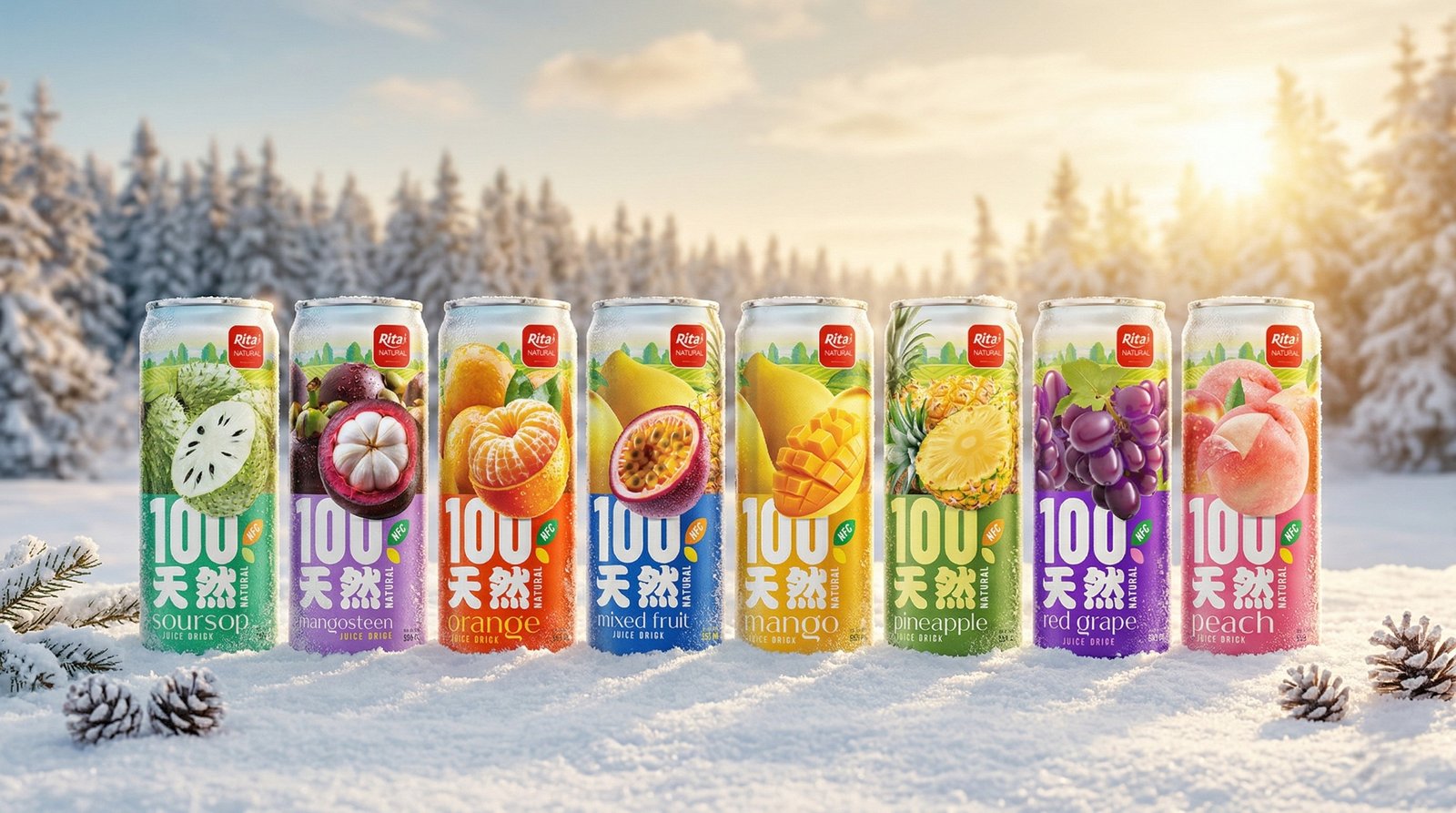
The 325ml sleek can is particularly suited for HORECA settings where portion control and convenience are key. Hotels can offer it in minibars, while cafes can serve it as a non-alcoholic option. The sleek design also enhances the visual appeal of displays and menus.
Bulk Packaging for Culinary Use
For restaurants and catering services, larger packaging formats like PET bottles or glass bottles are practical. Natural red grape juice can be used in salad dressings, marinades, or as a base for mocktails. Importers can source multiple packaging options from the same manufacturer to meet diverse HORECA needs.
Cross-Border Trade and Market Opportunities
The global trade in fruit juices is expanding, driven by rising disposable incomes and changing dietary habits. Importers who act early can establish strong footholds in emerging markets. Vietnam’s strategic location and manufacturing capabilities make it an ideal partner for cross-border trade.
Emerging Markets in Asia and Africa
Countries in Southeast Asia, such as Thailand and Indonesia, are experiencing growing demand for imported premium juices. Similarly, African markets like Nigeria and South Africa are opening up to natural beverages. Importers can explore these regions with products like the red grape juice sleek can, which offers a premium yet accessible option.
E-commerce and Direct-to-Consumer Channels
Online retail is reshaping the beverage industry, allowing importers to reach consumers directly. A strong digital presence, combined with efficient logistics, can drive sales. Manufacturers that support private labeling and provide marketing materials can help importers succeed in the digital space.
For a broader selection of natural beverages, explore our fruit drink collection featuring various flavors and packaging options. Additionally, our tea drink range offers complementary products for importers looking to diversify their portfolio.
Frequently Asked Questions
1. What is the shelf life of this 100% natural red grape juice drink?
The product typically has a shelf life of 12 to 24 months when stored in a cool, dry place away from direct sunlight. Specific shelf life may vary based on packaging and storage conditions.
2. What are the minimum order quantities for OEM/ODM orders?
Minimum order quantities are flexible and can be discussed based on the specific customization requirements. RITA offers competitive MOQs to accommodate both small and large-scale orders.
3. Can the packaging be customized for private label brands?
Yes, the manufacturer offers full packaging customization, including can design, labeling, and branding. Importers can work with the design team to create a unique look for their target market.
4. Is this product suitable for HORECA applications?
Absolutely. The 325ml sleek can is ideal for hotels, restaurants, and cafes, offering convenience and portion control. Larger packaging sizes are also available for bulk use.
5. What quality certifications does the manufacturer hold?
The manufacturer holds multiple certifications including ISO, HACCP, HALAL, KOSHER, BRC, FSSC 22000, USDA Organic, and EU Organic, ensuring compliance with global food safety standards.