Aloe Vera with Pulp Beverages Drive Growth in Global Functional Drink Market
The global beverage industry is undergoing a significant transformation as consumers increasingly seek out natural, plant-based ingredients in their daily drinks. Among the most notable trends is the rising demand for aloe vera-based beverages, particularly those containing real pulp.
This shift is not merely a fleeting preference but a structural change in consumer behavior, creating new opportunities for importers, distributors, and HORECA operators worldwide. One product exemplifying this trend is the Aloe Vera with Pulp beverage, a 11.18 Fl Oz offering that is gaining traction across international markets.
Key Takeaways
- The global functional beverage market is expanding, with aloe vera drinks representing a high-growth niche.
- Consumer demand for transparent, natural ingredients like real aloe pulp is reshaping product development and sourcing strategies.
- Vietnam has emerged as a leading manufacturing hub for aloe vera beverages, offering competitive OEM and ODM partnerships.
- Importers and distributors can capitalize on cross-border trade opportunities by integrating aloe vera pulp drinks into their portfolios.
- HORECA channels are increasingly adopting aloe vera beverages for premium menu offerings and wellness-focused concepts.
Global Beverage Market Trends: The Rise of Aloe Vera
The worldwide functional beverage market is projected to exceed USD 200 billion by 2027, with plant-based and wellness-oriented drinks leading the charge. Aloe vera beverages, long popular in Asia, are now penetrating Western markets at an accelerated pace.
Why Aloe Vera is Capturing Consumer Attention
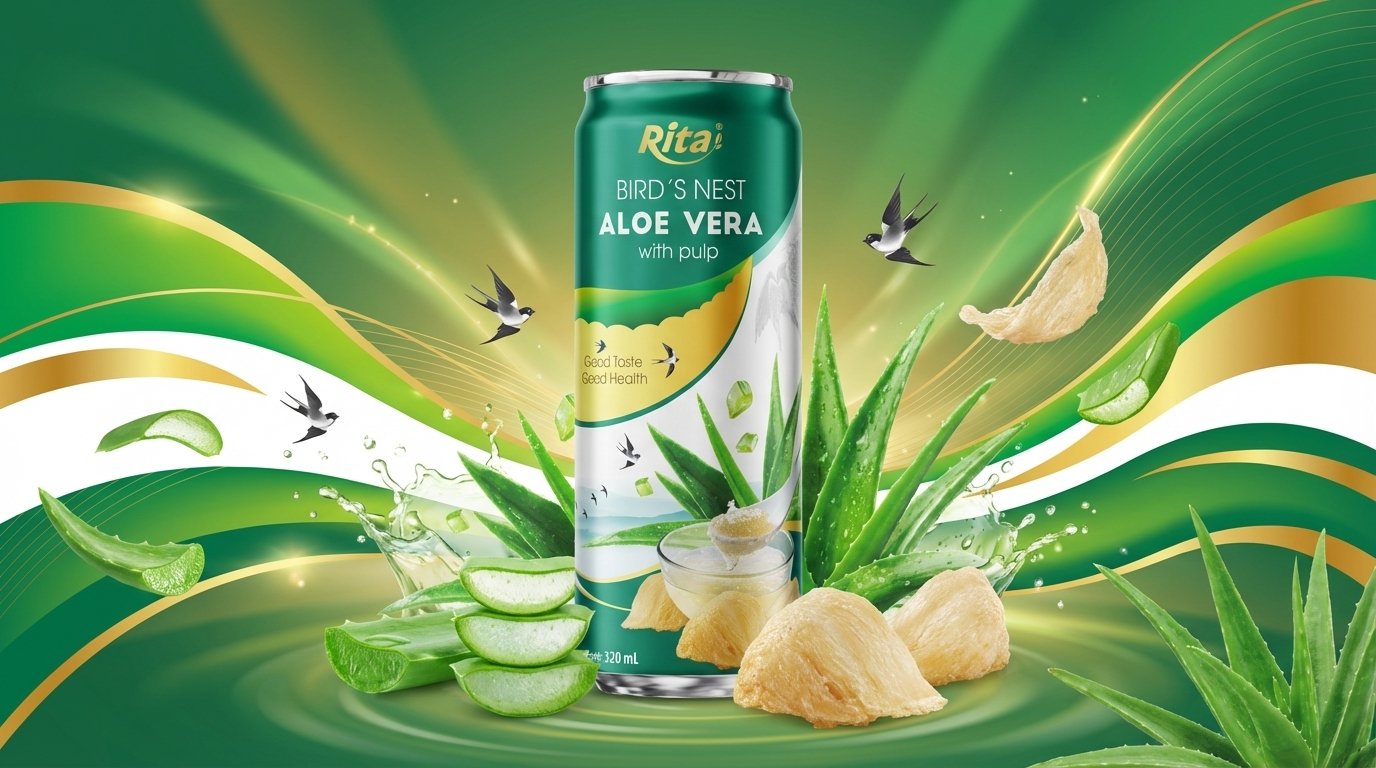
Aloe vera is widely recognized for its natural properties, making it a versatile ingredient in the beverage sector. Products containing visible pulp, such as the Aloe Vera with Pulp drink, offer a sensory experience that appeals to modern consumers. The presence of pulp signals authenticity and minimal processing, aligning with the clean-label movement.
Market Growth in Key Regions
North America and Europe have seen double-digit growth in aloe vera beverage imports over the past three years. Meanwhile, the Middle East and Africa are emerging as high-potential markets due to rising disposable incomes and a growing preference for natural refreshments. Vietnam, as a major exporter, is well-positioned to meet this demand.
Consumer Behavior Shifts Toward Natural and Pulp-Inclusive Drinks
Today's consumers are more informed and discerning than ever before. They scrutinize ingredient lists and prioritize products that offer transparency and tangible natural content.
The Appeal of Real Pulp in Beverages
Including visible aloe pulp in a drink is a powerful differentiator. It provides texture and visual appeal that synthetic alternatives cannot replicate. For importers, sourcing a beverage with real pulp, like the 11.18 Fl Oz option, can help capture the attention of health-oriented shoppers.
Demand for Clean-Label and Plant-Based Options
The clean-label trend has moved from niche to mainstream. Consumers are avoiding artificial colors, flavors, and preservatives. Aloe vera pulp drinks naturally meet these criteria, making them an attractive addition to any beverage portfolio.
Import/Export Trade and Distribution Channels for Aloe Vera Beverages
Cross-border trade in aloe vera drinks is expanding rapidly, driven by improvements in supply chain logistics and manufacturing capabilities in Southeast Asia.
Vietnam as a Strategic Sourcing Hub
Vietnam has become a preferred origin for aloe vera beverages due to its favorable climate for aloe cultivation and advanced manufacturing infrastructure. Companies like Rita, with over 500 employees and 20+ production lines, offer monthly capacities of up to 1,200 containers. This scale ensures stable supply for global distributors.
Navigating International Compliance and Labeling
Exporters must adhere to diverse regulatory frameworks. Vietnamese manufacturers are experienced in meeting standards for the USA, Europe, and the Middle East, including ISO, HACCP, HALAL, and BRC certifications. This compliance simplifies the import process for distributors.
OEM and ODM Manufacturing Partnerships for Beverage Brands
For entrepreneurs and established brands looking to enter the aloe vera segment, partnering with a contract manufacturer offers a fast track to market.
Customization Options for Aloe Vera Pulp Drinks
OEM and ODM partners can tailor the sweetness, flavor profile, and pulp concentration to suit local preferences. The aloe pulp beverage can be adapted into various formats, from single-serve cans to bulk PET bottles.
Flexible Packaging and Private Label Solutions
Manufacturers offer a range of packaging options, including aluminum cans (200ml–500ml), PET bottles (400ml–1.5L), and glass bottles. This flexibility allows brands to create a distinct market presence. For more on how to develop your own line, explore our ODM service for comprehensive support.
HORECA Applications for Aloe Vera with Pulp Beverages
The HORECA sector is a significant growth driver for aloe vera drinks, as hotels, restaurants, and cafes seek to differentiate their beverage menus.
Incorporating Aloe Drinks into Hotel and Resort Menus
High-end hotels are adding aloe vera pulp beverages as premium non-alcoholic options. They are often served as refreshing welcome drinks or paired with spa and wellness packages.
Restaurant and Cafe Usage
Restaurants use aloe vera drinks as mixers for mocktails and cocktails, while cafes offer them as standalone refreshments. The 11.18 Fl Oz size is ideal for single servings, reducing waste and simplifying inventory management.
Cross-Border Trade and Market Opportunities for Importers
The global trade in aloe vera beverages presents a lucrative opportunity for importers and distributors willing to invest in emerging categories.
Identifying High-Growth Export Destinations
Markets in the Middle East, Southeast Asia, and parts of Africa show strong demand for natural, pulp-inclusive drinks. Importers can leverage Vietnam's export capabilities to source competitive products.
Building a Competitive Portfolio
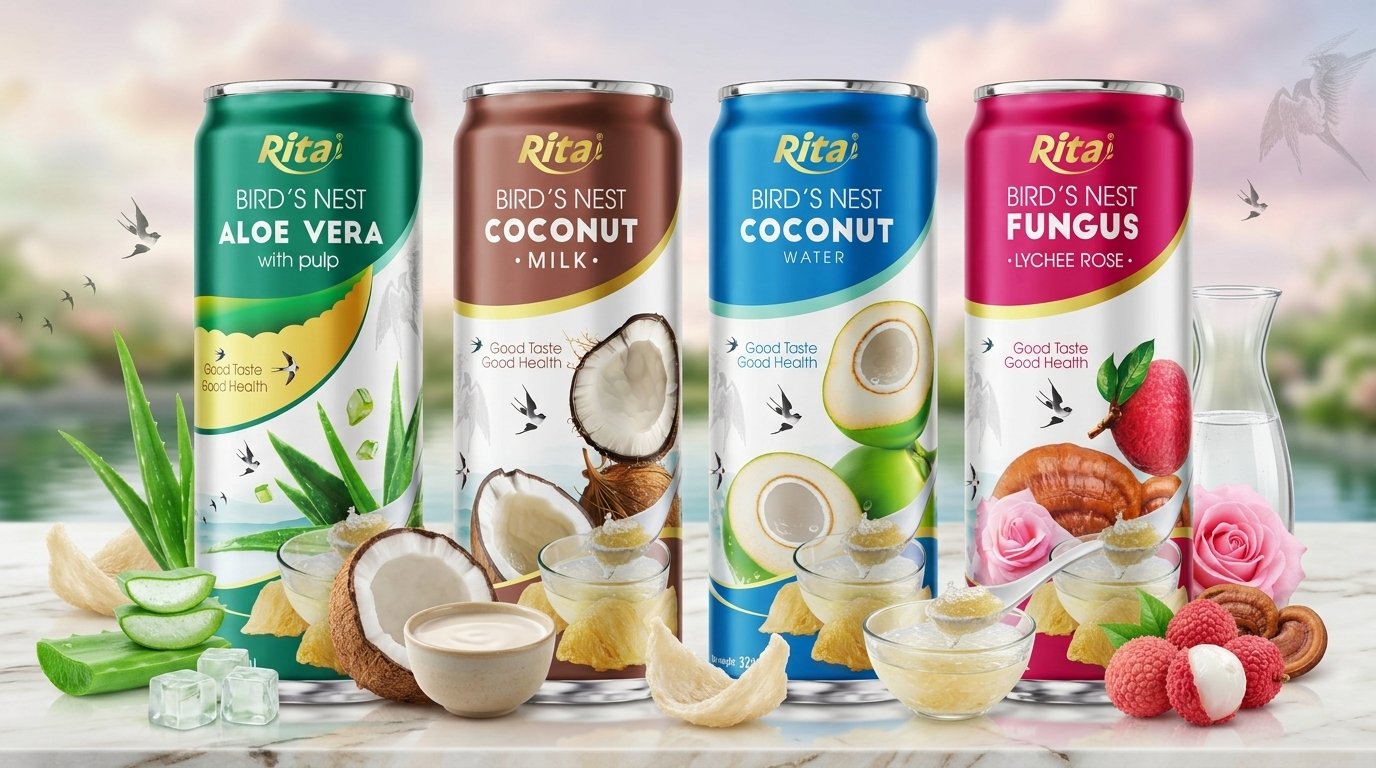
Including a bird's nest aloe vera drink in your product lineup can attract health-conscious consumers and differentiate your brand from competitors. For more insights into our manufacturing philosophy and global reach, visit our company profile.
Frequently Asked Questions
1. What is the typical shelf life of an aloe vera beverage with pulp?
Most aloe vera pulp drinks have a shelf life of 12 to 24 months when stored in a cool, dry place away from direct sunlight. Always check the specific product label for exact dates.
2. Can I customize the pulp content or sweetness level for my market?
Yes, OEM and ODM manufacturers typically offer recipe customization, allowing you to adjust pulp concentration, sweetness, and flavor to meet local consumer preferences.
3. What packaging sizes are available for aloe vera drinks in bulk?
Packaging options include aluminum cans (200ml–500ml), PET bottles (400ml–1.5L), glass bottles, and PP bottles. Custom sizes can also be arranged for large orders.
4. Are these beverages suitable for the HORECA sector?
Absolutely. Aloe vera pulp drinks are popular in hotels, restaurants, and cafes as premium non-alcoholic refreshments or cocktail mixers. Single-serve sizes are particularly convenient.
5. What certifications do Vietnamese exporters typically hold for aloe vera beverages?
Leading manufacturers hold ISO, HACCP, HALAL, KOSHER, BRC, and FSSC 22000 certifications, ensuring compliance with international food safety and quality standards.