Popping Boba Bubble Fruit Peach Tea 250ml Cans — A Rising Trend in the Global Beverage Market
The global beverage industry is experiencing a dynamic shift, with consumers increasingly seeking innovative, flavorful, and convenient drink options. Among the most notable trends is the rise of bubble tea-inspired products, particularly those featuring popping boba.
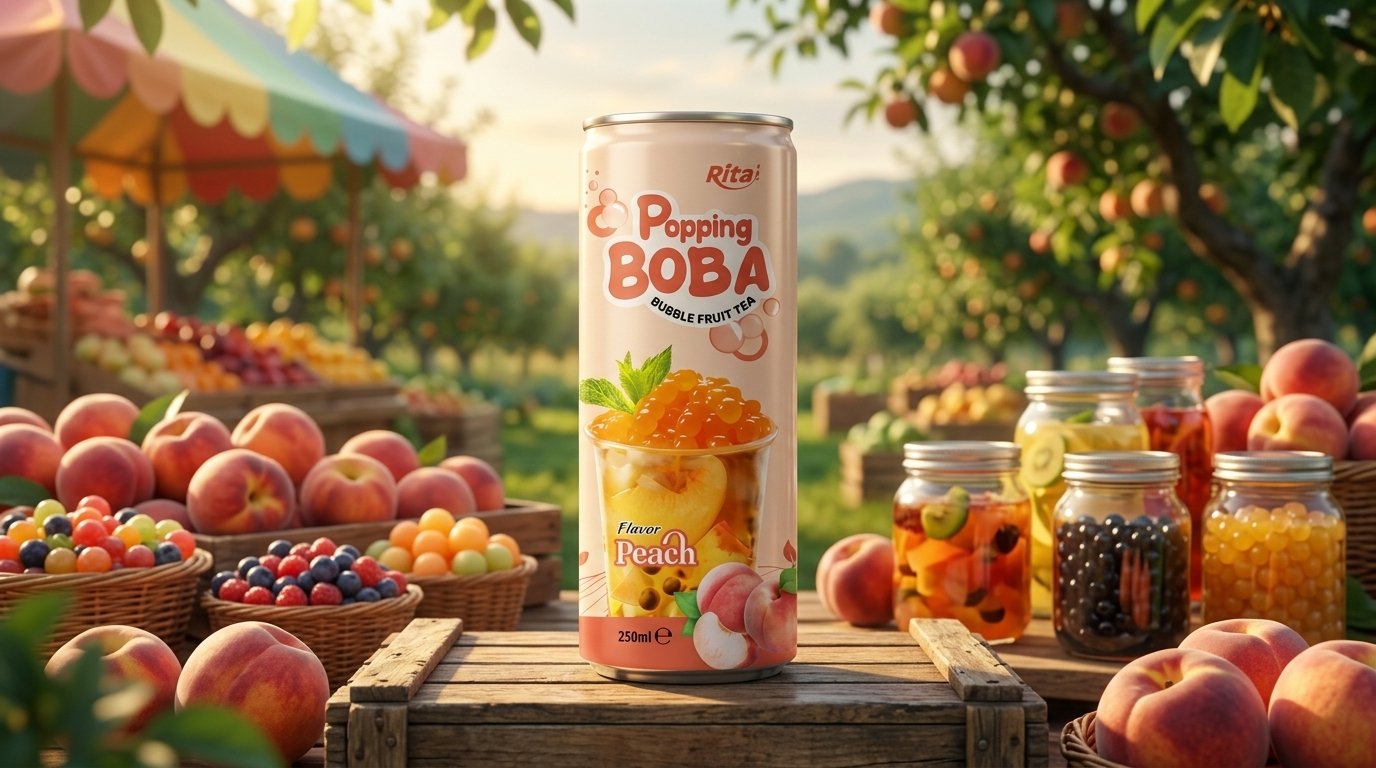
The Popping Boba Bubble Fruit Peach Tea 250ml Cans represents a perfect fusion of traditional tea culture and modern, playful texture, capturing the attention of importers, distributors, and F&B businesses worldwide. This article delves into the market dynamics, opportunities, and strategic insights surrounding this product, focusing on key target markets like the United States and Europe.
Key Takeaways
- The Popping Boba Bubble Fruit Peach Tea 250ml Cans is gaining traction in the US and Europe due to the growing demand for ready-to-drink (RTD) bubble tea and innovative textures.
- Importers and distributors can leverage the product's portable aluminum can packaging, which offers convenience and extended shelf life of 18 months.
- Understanding regional flavor preferences and regulatory compliance is crucial for market entry, particularly in the US where FDA guidelines are strict.
- Vietnam-based manufacturers, with their strong OEM/ODM capabilities, are well-positioned to supply this product to global markets at competitive prices.
- The product's unique combination of peach tea and popping boba caters to the demand for experiential and visually appealing beverages.
Market Analysis: The US and Europe as Prime Targets for Popping Boba Bubble Fruit Peach Tea
The United States and Europe represent two of the most lucrative markets for innovative RTD beverages. In the US, bubble tea culture has exploded beyond Asian-American communities into mainstream popularity, with a market size projected to exceed $3 billion by 2027. Similarly, Europe, particularly the UK, Germany, and France, has seen a surge in bubble tea consumption, driven by younger demographics seeking novel taste experiences. The Popping Boba Bubble Fruit Peach Tea 250ml Cans aligns perfectly with these trends, offering a portable, shelf-stable alternative to traditional bubble tea shop drinks.
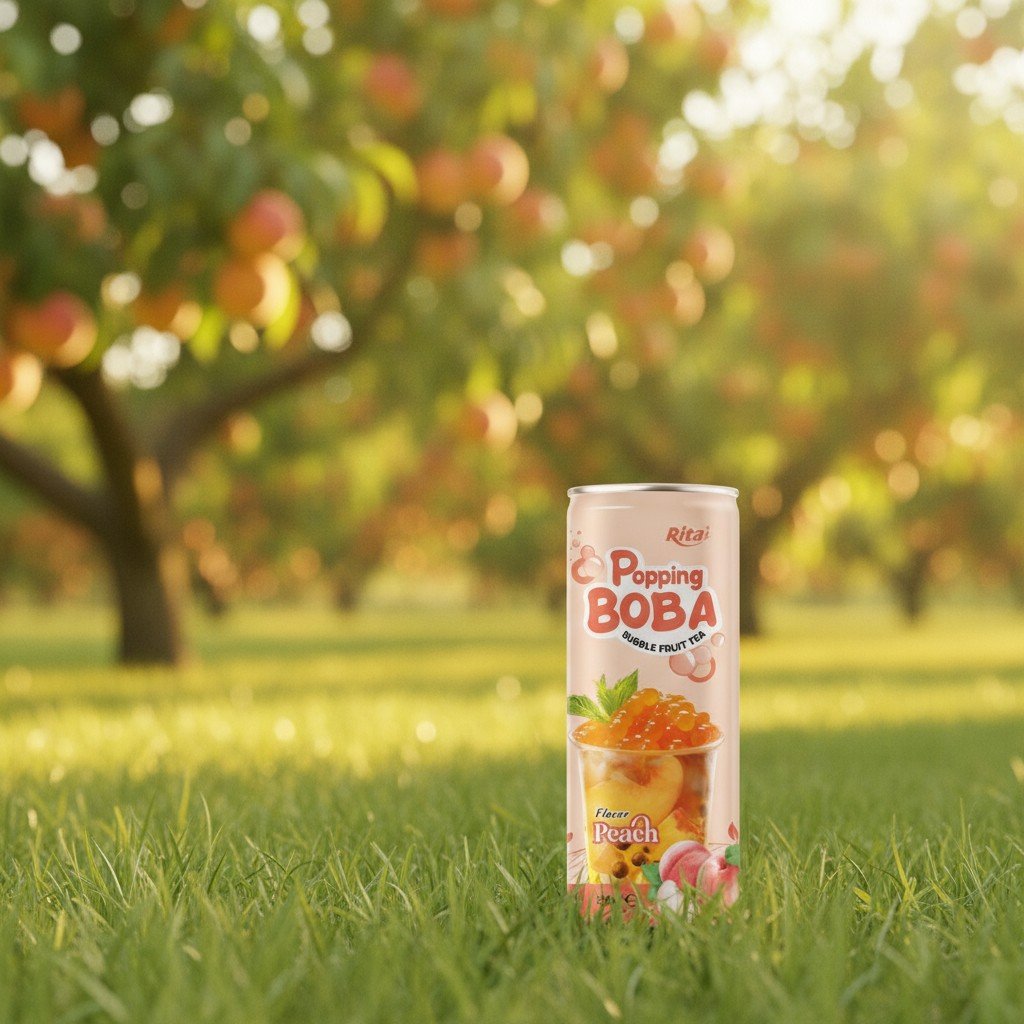
Popping Boba Bubble Fruit Peach Tea 250ml Cans.
For distributors, the aluminum can format is a key advantage. It eliminates the need for refrigeration, reduces logistics costs, and ensures product integrity over long shipping distances. With a shelf life of 18 months and a minimum order quantity of 200 cartons, this product is ideal for bulk importers looking to build a diverse portfolio. The product's supply ability of 300 twenty-foot containers per month ensures consistent availability for large-scale distribution across these markets.
Consumer Trends Driving Demand in the US and Europe
Consumers in both regions are increasingly prioritizing convenience without compromising on quality or experience. The Popping Boba Bubble Fruit Peach Tea 250ml Cans meets this demand by offering a ready-to-drink solution that mimics the texture and flavor of freshly prepared bubble tea. The popping boba, which bursts with fruit juice upon consumption, adds an element of surprise and delight, making it highly shareable on social media platforms like Instagram and TikTok.
Additionally, peach-flavored tea is a universally popular profile in both markets. In the US, peach iced tea is a staple, while in Europe, fruit teas have seen consistent growth. This product capitalizes on these established preferences while introducing the novelty of popping boba. For importers, this means lower marketing costs as the flavor is already familiar to consumers, allowing them to focus on the unique selling points of the product.
Opportunities for Importers and Distributors
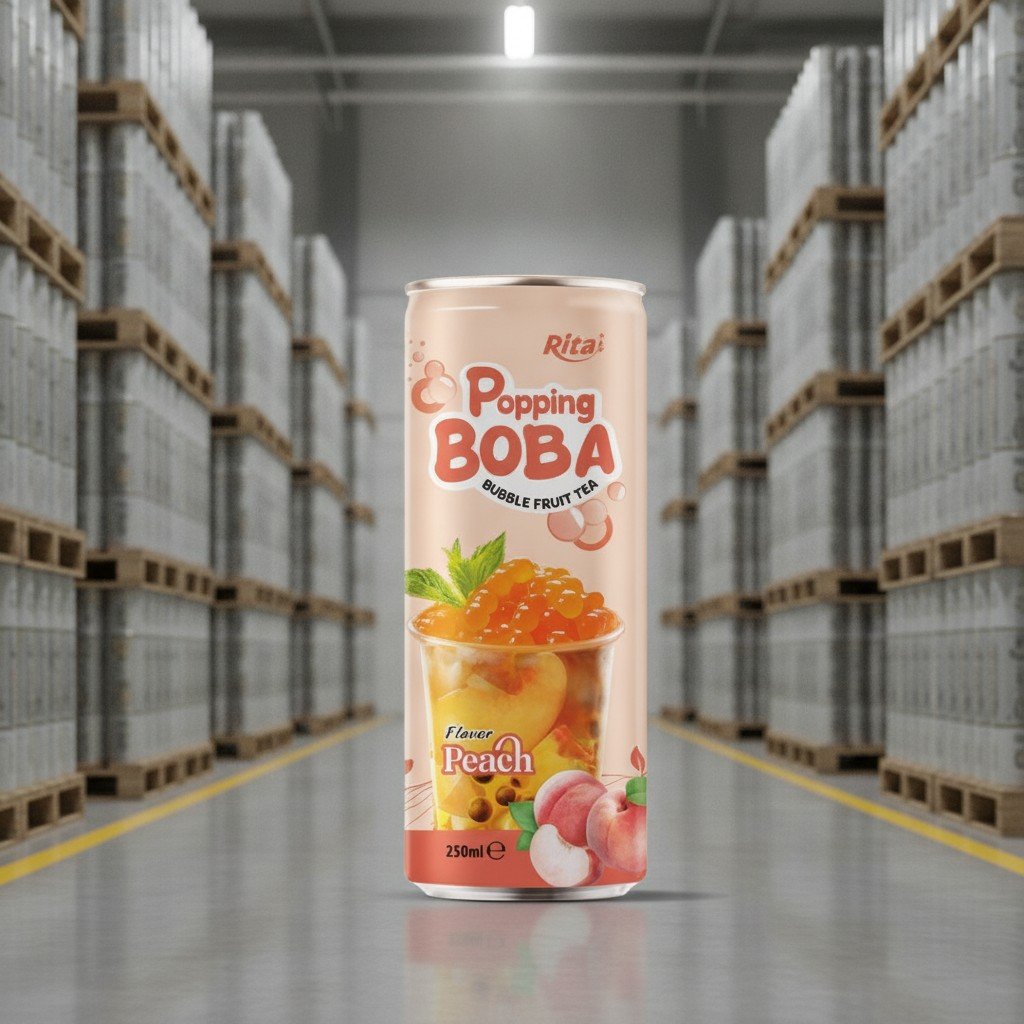
For beverage importers and wholesalers, the Popping Boba Bubble Fruit Peach Tea 250ml Cans offers several distinct opportunities. First, the product fills a gap in the RTD bubble tea segment, which is currently dominated by glass bottles or plastic cups. The aluminum can format provides a premium, eco-friendly image that resonates with environmentally conscious consumers in Europe and the US. Aluminum is infinitely recyclable, and many brands are leveraging this to enhance their sustainability credentials.
Second, the product's OEM/ODM capabilities are a significant advantage for private label development. Distributors can customize the flavor sweetness, boba texture, and packaging design to cater to local preferences. For example, in the US, a slightly sweeter profile might appeal to younger consumers, while in Europe, a less sweet version with natural flavors could be more popular. Vietnam-based manufacturers like RITA Food & Drink Co., Ltd offer comprehensive support from concept to production, with a MOQ as low as 200 cartons for trial runs.
Third, the product's certifications—including ISO, HACCP, HALAL, and USDA Organic—ensure compliance with stringent US FDA and EU regulations. This is critical for importers, as non-compliance can lead to costly delays or rejections at customs. The product's production base in Vietnam, with a capacity of 10,000 tons per month for canned bottles, provides cost advantages without sacrificing quality.
Strategic Distribution Channels
To maximize market penetration, distributors should consider targeting multiple channels. In the US, convenience stores, gas stations, and online grocery platforms like Amazon Fresh are key. In Europe, specialty Asian supermarkets, health food stores, and vending machines in high-traffic areas (e.g., universities, train stations) offer strong potential. The product's 250ml size is ideal for on-the-go consumption, making it a perfect fit for impulse purchases.
Additionally, the product's popping boba can be marketed as a fun, experiential element that differentiates it from standard RTD teas. Collaborations with influencers or pop-up events can generate buzz, particularly among Gen Z and millennial consumers. For importers, this means leveraging the product's visual appeal in promotional materials, as the colorful boba particles are highly photogenic.
Production and Supply Chain Advantages from Vietnam
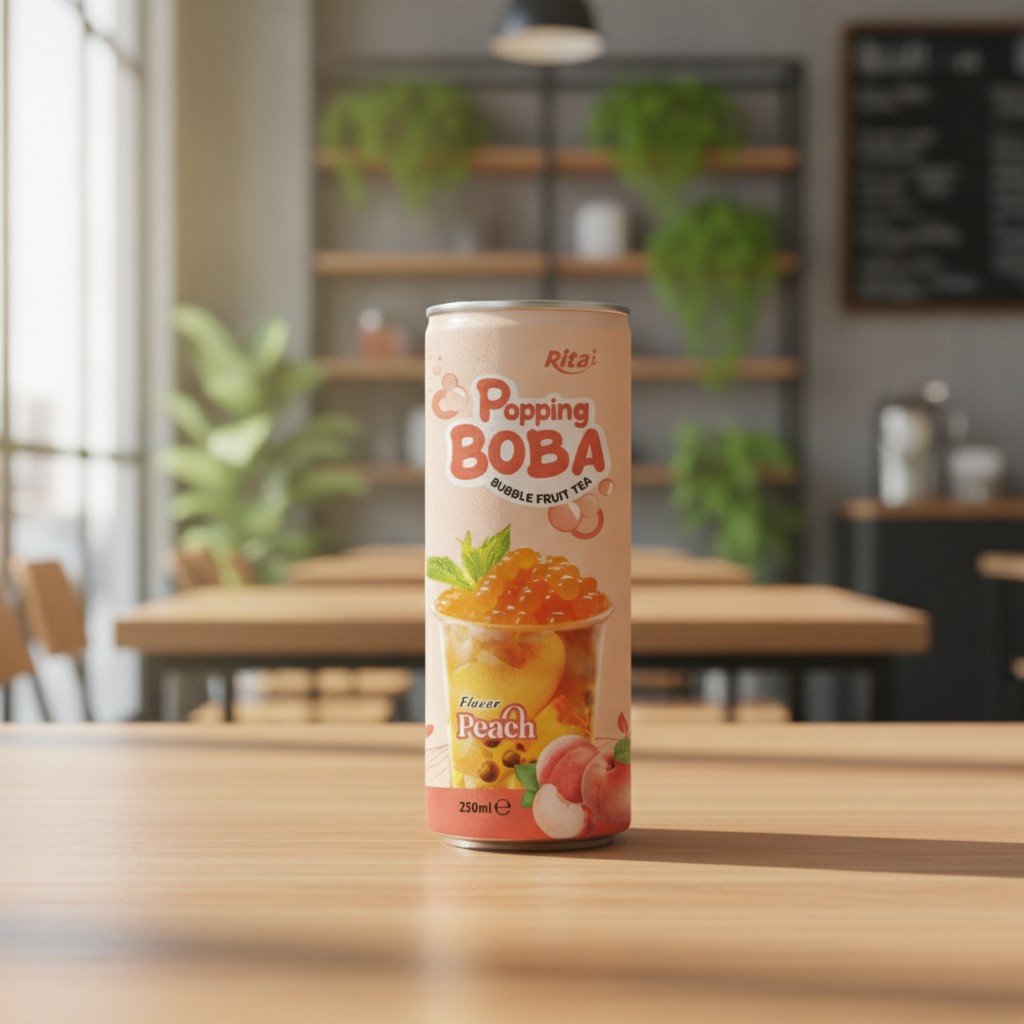
Vietnam has emerged as a leading manufacturing hub for beverages, thanks to its abundant natural resources, competitive labor costs, and advanced production infrastructure. The Popping Boba Bubble Fruit Peach Tea 250ml Cans benefits from this ecosystem, with manufacturers like RITA offering state-of-the-art facilities. With over 50 production lines and a factory area of 30,000 m², these suppliers can handle large-volume orders efficiently, with delivery times of 20-25 days after confirmation.
The product's packaging options are also versatile. While the standard is 250ml aluminum cans, manufacturers can also produce in PET bottles (400ml, 500ml) or glass bottles (250ml, 280ml) if needed. This flexibility allows importers to test different formats in various markets without committing to a single packaging type. The payment terms—L/C or T/T—are standard in the industry, providing financial security for both parties.
Moreover, Vietnam's strategic location near major shipping ports like Cat Lai Port in Ho Chi Minh City ensures efficient logistics to the US West Coast and European ports. The country's participation in free trade agreements (e.g., EVFTA with the EU) also reduces tariff barriers, making imports more cost-effective for European distributors.
Quality Control and Certification
Quality is paramount in the beverage industry, and Vietnamese manufacturers adhere to strict standards. The Popping Boba Bubble Fruit Peach Tea 250ml Cans is produced under rigorous quality control, with a dedicated QC team of 40 professionals. Certifications like BRC, FSSC 22000, and SMETA/BSCI ensure that the product meets international safety and ethical standards. For US importers, this means easier compliance with FDA's Food Safety Modernization Act (FSMA), which requires foreign suppliers to have preventive controls in place.
Additionally, the product's halal certification opens doors to Middle Eastern markets, while organic certifications (USDA, EU Organic) appeal to health-conscious consumers in Europe and the US. These certifications are not just regulatory necessities but also marketing tools that can be highlighted on product labels to build trust.
Competitive Landscape and Differentiation
The RTD bubble tea market is becoming increasingly crowded, with brands like Gong Cha, Chatime, and Boba Tea Company expanding into canned formats. However, the Popping Boba Bubble Fruit Peach Tea 250ml Cans differentiates itself through its use of real fruit juice and popping boba, rather than artificial flavors or tapioca pearls. Tapioca pearls require refrigeration and have a shorter shelf life, making them less suitable for mass distribution. In contrast, popping boba is shelf-stable and maintains its texture for up to 18 months.
Furthermore, the product's peach tea base is a classic, non-polarizing flavor that appeals to a broad demographic. This reduces the risk of flavor fatigue and allows distributors to target both bubble tea enthusiasts and casual tea drinkers. The 250ml size is also portion-controlled, making it easy for consumers to try without committing to a larger bottle.
Pricing and Profit Margins
From a financial perspective, the product offers attractive margins for importers. The FOB price from Vietnam is competitive compared to similar products manufactured in China or Thailand, thanks to lower labor and raw material costs. With a minimum order quantity of 200 cartons, even small to medium-sized distributors can test the market without significant upfront investment. The product's supply ability of 300 containers per month ensures scalability, allowing distributors to increase orders as demand grows.
For wholesalers, the recommended retail price in the US is typically $2.50–$3.50 per can, providing a healthy margin after accounting for import duties, logistics, and retailer markups. In Europe, where premium products command higher prices, margins can be even more favorable. The key is to position the product as a premium, experiential drink rather than a commodity tea.
Future Trends and Market Expansion
Looking ahead, the demand for popping boba beverages is expected to grow, driven by continued innovation in texture and flavor. Manufacturers are experimenting with new fruit combinations like mango, lychee, and passion fruit, as well as incorporating functional ingredients like aloe vera or chia seeds. The Popping Boba Bubble Fruit Peach Tea 250ml Cans is well-positioned to evolve with these trends, as its production base can easily adapt to new formulations.
Additionally, the rise of e-commerce and direct-to-consumer (DTC) models presents opportunities for distributors to sell directly to consumers via platforms like Amazon, Shopify, or regional online retailers. The product's lightweight aluminum cans make shipping cost-effective, and its long shelf life reduces the risk of spoilage during transit. Social media marketing, particularly through unboxing videos and taste tests, can drive organic traffic and sales.
Finally, sustainability will continue to be a major driver in both the US and European markets. The aluminum can is infinitely recyclable, and manufacturers are increasingly using recycled content in their packaging. Distributors can leverage this as a selling point, particularly in Europe where consumers are highly conscious of environmental impact. By highlighting the product's recyclable packaging and ethical production practices, importers can build brand loyalty and differentiate from competitors.
Frequently Asked Questions
What is the shelf life of Popping Boba Bubble Fruit Peach Tea 250ml Cans?
The product has a shelf life of 18 months when stored in a cool, dry place. This long shelf life makes it ideal for bulk import and distribution without refrigeration.
What is the minimum order quantity for this product?
The minimum order quantity is 200 cartons per order, with each carton containing 24 cans. This allows small to medium-sized distributors to test the market.
Can I customize the flavor or packaging for private label?
Yes, the product is available for OEM/ODM services. You can customize the sweetness level, boba flavor, and can design. The manufacturer supports from concept to production.
What certifications does the product have?
The product is certified with ISO, HACCP, HALAL, USDA Organic, EU Organic, BRC, FSSC 22000, and SMETA/BSCI. These certifications ensure compliance with US and European regulations.
How long does shipping take from Vietnam to the US or Europe?
Shipping typically takes 20-25 days after order confirmation. The product is shipped from Cat Lai Port in Ho Chi Minh City, with efficient logistics to major ports in the US and Europe.