The Rise of Fruit Tea Drinks in the US Market — Opportunities for Importers and Distributors
The global beverage industry is witnessing a significant shift as consumers increasingly seek innovative, flavorful, and convenient options. Among the emerging trends, fruit tea drinks have carved out a substantial niche, combining the familiarity of tea with the refreshing taste of fruit.
For US importers and distributors, this category represents a compelling opportunity to diversify portfolios and capture a growing consumer base. This article explores the dynamics of the fruit tea drink market in the United States, analyzes key consumer trends, and provides insights for businesses looking to enter or expand in this space. We will use the 320ml Sleek Alu Can Fruit Tea Drink With Mango Flavor as a case study to illustrate the potential of this product category.
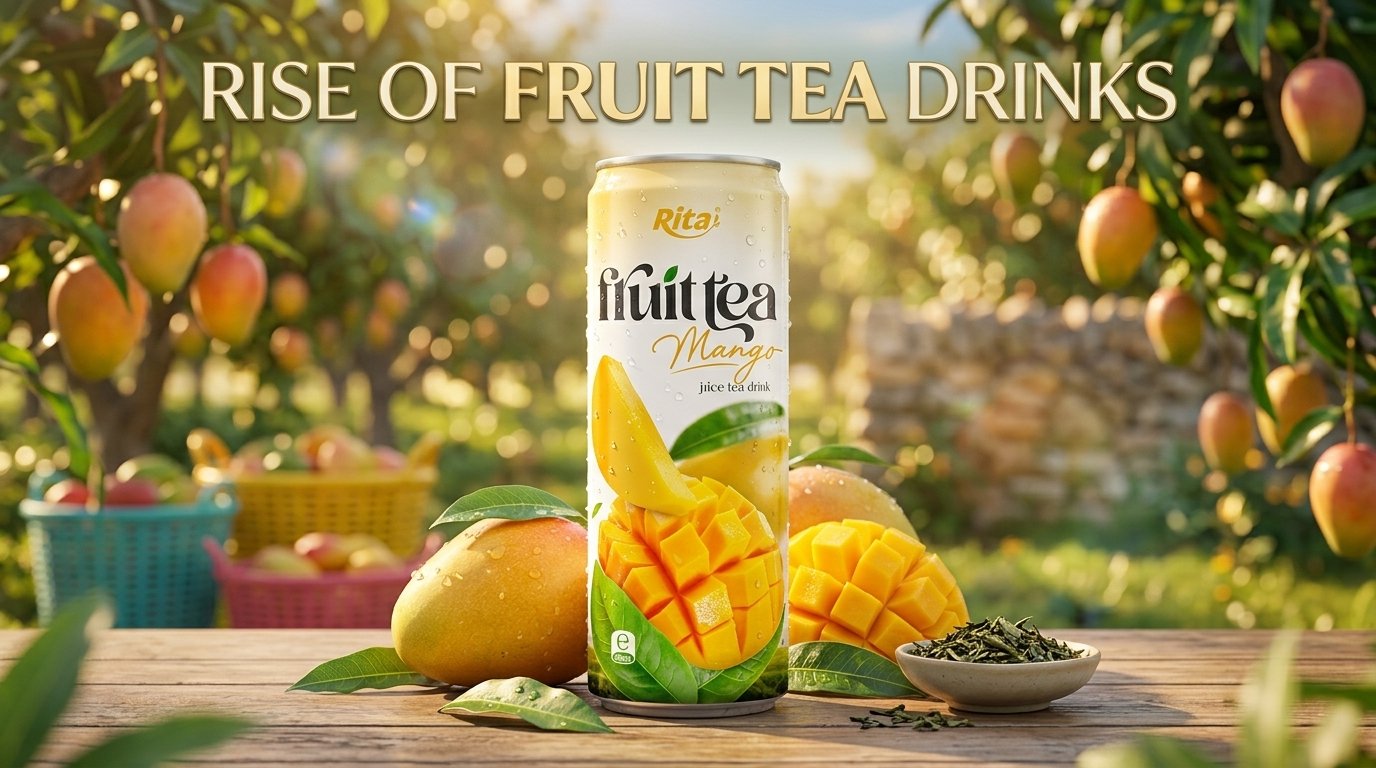
Key Takeaways
- The US fruit tea drink market is expanding rapidly, driven by consumer demand for natural flavors, convenience, and ready-to-drink (RTD) options.
- Importers and distributors can benefit from sourcing products like the 320ml Sleek Alu Can Fruit Tea Drink With Mango Flavor, which aligns with key trends in flavor innovation and sustainable packaging.
- Understanding the US regulatory landscape, including FDA compliance, is crucial for successful market entry.
- Strategic partnerships with OEM/ODM suppliers in Vietnam, such as RITA, offer cost-effective production and flexible customization for private label opportunities.
- The aluminum can format, with its eco-friendly perception and long shelf life, is particularly attractive to US retailers and consumers.
Understanding the US Fruit Tea Drink Market
The US market for ready-to-drink (RTD) tea has been on a steady growth trajectory, with fruit-infused variants leading the charge. According to industry reports, the RTD tea segment in the US is projected to reach over $10 billion by 2026, with fruit tea flavors accounting for a significant share. This growth is fueled by a shift away from sugary sodas toward beverages perceived as more natural and flavorful. For importers, this presents a clear opportunity to introduce products that meet these evolving preferences.
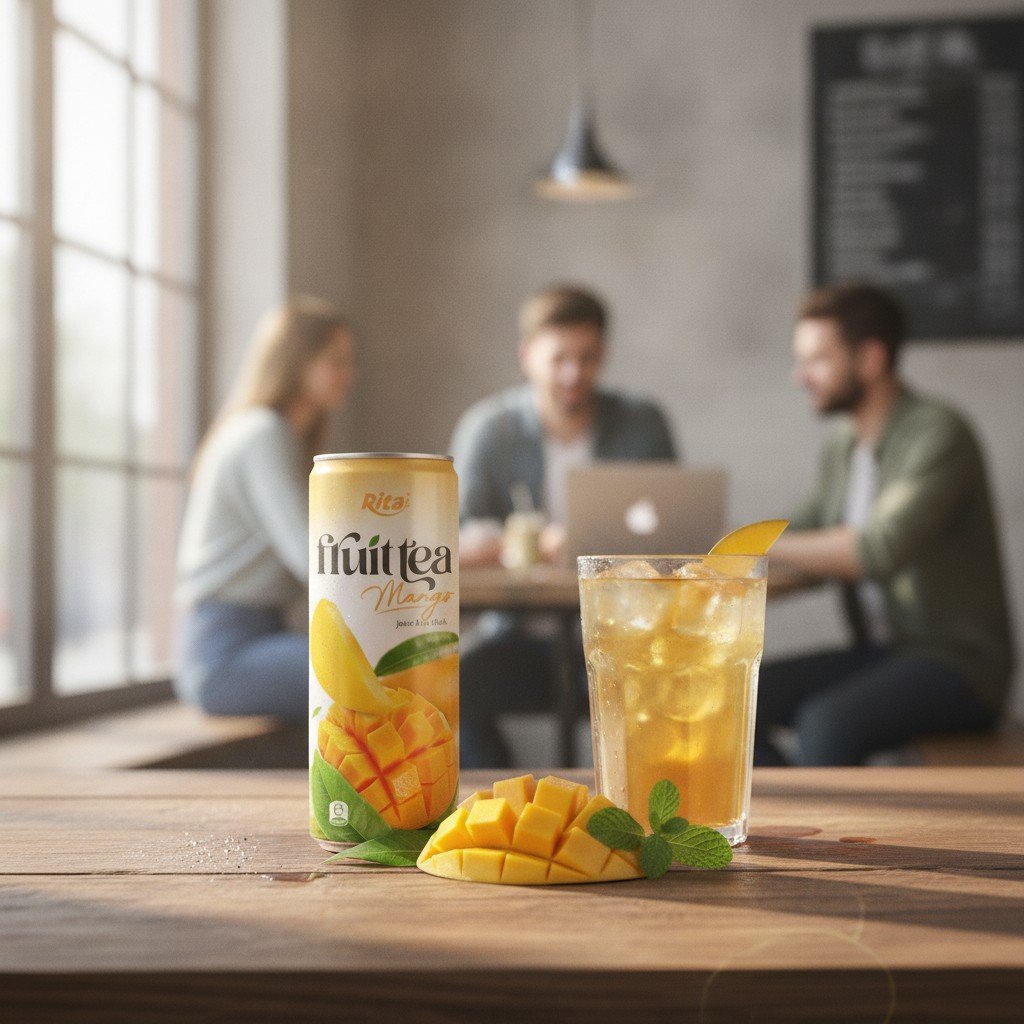
The appeal of fruit tea drinks lies in their versatility. They cater to a wide demographic, from health-conscious millennials to busy professionals seeking a refreshing pick-me-up. Flavors like mango, peach, and berry are particularly popular, offering a sweet yet balanced taste profile. The 320ml sleek aluminum can format is ideal for on-the-go consumption, fitting seamlessly into busy American lifestyles while providing a premium feel.
Consumer Trends Driving the Demand
Several key trends are propelling the fruit tea drink market in the US. First, there is a growing preference for beverages with recognizable, natural ingredients. Consumers are reading labels more carefully and gravitating toward products that list fruit juice as a primary component, rather than artificial flavors or high-fructose corn syrup. The 320ml Sleek Alu Can Fruit Tea Drink With Mango Flavor, for instance, leverages real mango juice to deliver its distinct taste, aligning perfectly with this clean-label trend.
Second, sustainability is a major factor in purchasing decisions. Aluminum cans are infinitely recyclable, and US consumers increasingly view them as an environmentally friendly packaging choice compared to plastic bottles. This perception is particularly strong among younger demographics, making the aluminum can a strategic packaging option for brands targeting eco-conscious buyers.
Opportunities for US Importers and Distributors
For US importers and distributors, the fruit tea drink category offers a low-risk entry point into the broader RTD market. The product's long shelf life of 18 months, as seen with the mango-flavored variant, minimizes inventory risk and allows for efficient supply chain management. Additionally, the minimum order quantity of 200 cartons per order makes it accessible for mid-sized distributors looking to test new products without overcommitting.
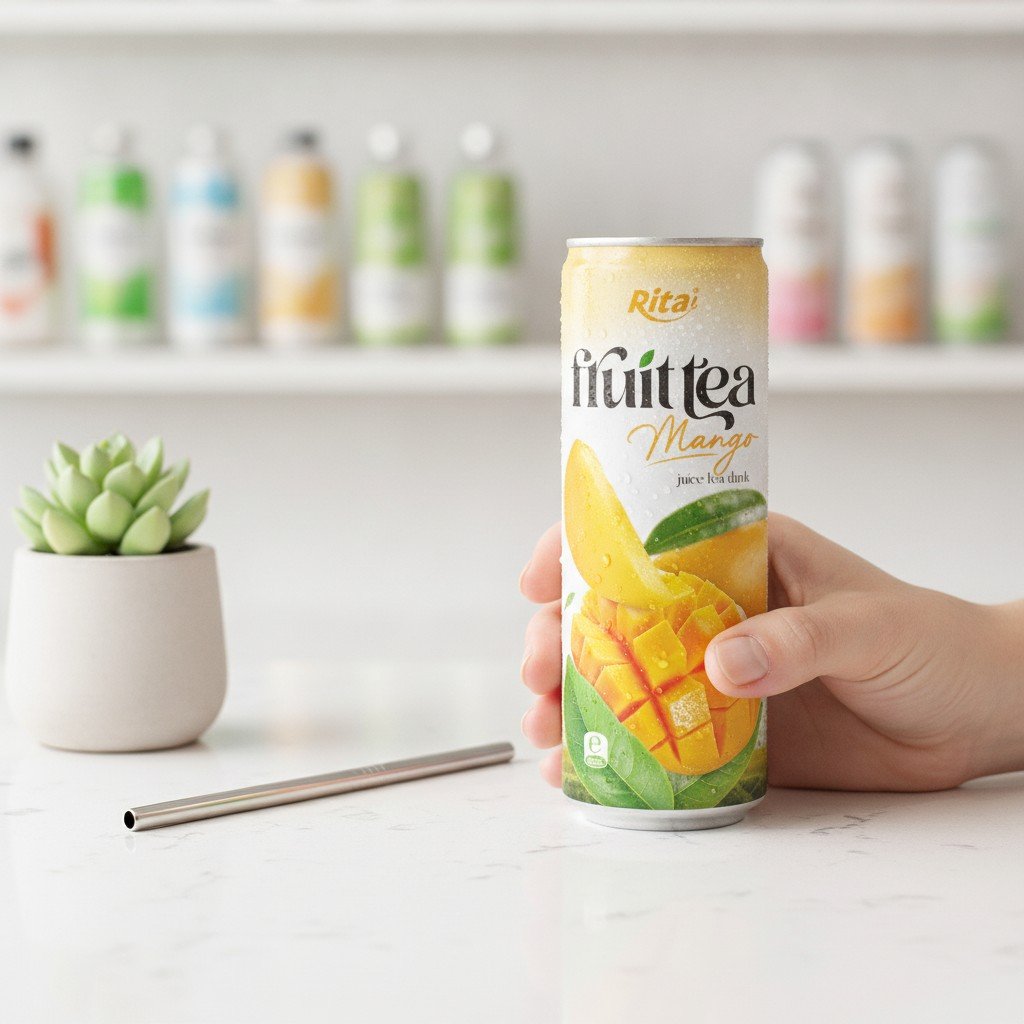
Importers can also leverage the product's versatility across retail channels. Supermarkets, convenience stores, and online platforms like Amazon are all viable avenues. The sleek aluminum can design, with its vibrant branding potential, stands out on crowded shelves. Furthermore, the product's competitive pricing, enabled by efficient production in Vietnam, allows US distributors to maintain healthy margins while offering consumers an affordable premium beverage.
Private Label and OEM Opportunities
One of the most attractive aspects for US businesses is the potential for private labeling. Many suppliers, including RITA, offer comprehensive OEM and ODM services, allowing importers to create their own brand of fruit tea drinks. This is particularly advantageous for retailers or distributors looking to differentiate themselves in a competitive market. The ability to customize flavor profiles, packaging design, and even the sweetness level gives US companies full control over their product identity.
For instance, a distributor could work with a supplier to develop a unique mango tea blend, packaged in a 320ml can with their own label. This approach not only builds brand equity but also fosters customer loyalty. The flexibility of OEM services, combined with the supplier's expertise in meeting US regulatory standards, makes this a viable strategy for market entry.
Regulatory Considerations for the US Market
Entering the US beverage market requires strict adherence to FDA regulations. All ingredients must be Generally Recognized as Safe (GRAS), and labeling must comply with the Nutrition Labeling and Education Act (NLEA). For fruit tea drinks, this means accurate declaration of sugar content, serving size, and any allergens. Importers should work closely with suppliers who have experience in US compliance to avoid costly delays at customs.
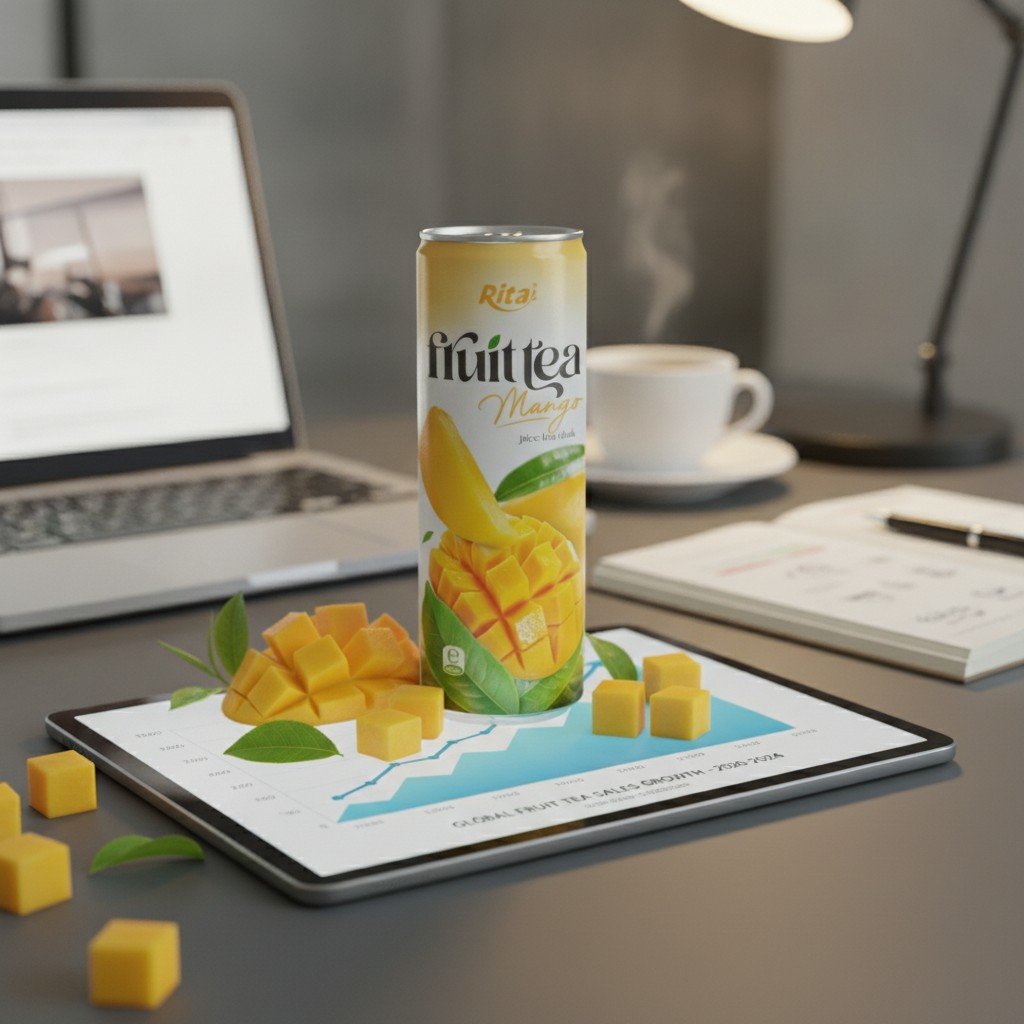
The 320ml Sleek Alu Can Fruit Tea Drink With Mango Flavor, produced in a facility with ISO, HACCP, and HALAL certifications, demonstrates a commitment to quality that aligns with US standards. These certifications not only facilitate smoother importation but also serve as a selling point when pitching to retailers who prioritize supplier transparency.
Supply Chain and Logistics
Efficient logistics are critical for the success of imported beverages. The product's port of loading, Cat Lai Port in Ho Chi Minh City, Vietnam, offers established shipping routes to major US ports like Los Angeles and Long Beach. With a supply ability of 300 twenty-foot containers per month, suppliers can handle large-scale orders, ensuring consistent availability for US distributors. The 20-25 day delivery time post-order confirmation is competitive within the industry, allowing for reliable inventory planning.
Competitive Landscape and Differentiation
The US fruit tea drink market is not without competition. Established brands like AriZona, Lipton, and Snapple dominate the shelf space. However, there is a growing demand for authentic, imported flavors that offer a point of difference. The mango flavor, for example, is less common in mainstream US brands, providing an opportunity to attract adventurous consumers. Additionally, the sleek aluminum can format is a departure from the traditional plastic bottles or glass jars, offering a modern aesthetic that appeals to younger shoppers.
Importers can also differentiate through marketing. Emphasizing the product's Vietnamese origin, with its rich tea culture and tropical fruit heritage, can create a compelling brand story. This narrative resonates with US consumers who value authenticity and exotic experiences.
Pricing Strategy and Market Positioning
Pricing is a critical factor in the US market. The 320ml Sleek Alu Can Fruit Tea Drink With Mango Flavor is positioned as a mid-range product, offering a premium experience without the high price point of craft or specialty beverages. This makes it accessible to a broad audience while still allowing for competitive retail pricing. For distributors, the key is to find the right balance between wholesale cost, retail markup, and consumer willingness to pay.
In the US, single-serve beverages typically retail between $1.50 and $3.00. With efficient production and shipping costs from Vietnam, importers can achieve a landed cost that supports a healthy margin. Bulk purchasing and long-term contracts with suppliers can further reduce costs, enhancing profitability.
Future Outlook and Recommendations
The future of fruit tea drinks in the US looks promising. As consumer interest in functional and flavorful beverages continues to grow, the category is expected to expand further. For importers and distributors, now is the time to act. Establishing relationships with reliable suppliers like RITA can provide a competitive edge, particularly for those interested in private label or exclusive distribution rights.
To maximize success, US businesses should focus on targeted marketing campaigns that highlight the product's unique attributes—its mango flavor, aluminum can packaging, and Vietnamese origin. Partnering with specialty retailers, health food stores, and online platforms can also help build brand awareness. Additionally, attending trade shows like the Summer Fancy Food Show or Expo West can facilitate networking and product sampling.
Conclusion
The 320ml Sleek Alu Can Fruit Tea Drink With Mango Flavor exemplifies the potential of fruit tea drinks in the US market. By leveraging consumer trends toward natural flavors, sustainable packaging, and convenience, importers and distributors can tap into a growing segment with strong demand. With the right strategy, including OEM partnerships and compliance with FDA regulations, this product offers a viable path to success in the competitive US beverage landscape.
Frequently Asked Questions
What is the minimum order quantity for the 320ml Sleek Alu Can Fruit Tea Drink With Mango Flavor?
The minimum order quantity is 200 cartons per order, making it accessible for mid-sized distributors.
How long is the shelf life of this fruit tea drink?
The product has a shelf life of 18 months, ensuring minimal inventory risk for importers.
What are the key certifications for this product?
The product is produced in a facility with ISO, HACCP, HALAL, and USDA Organic certifications, among others.
Can I customize the packaging for my brand?
Yes, the supplier offers OEM and ODM services, allowing for private label customization including flavor and design.