Fruit Tea Drink in Sleek Aluminum Cans — Market Trends and Opportunities for Importers and Distributors
The global beverage industry is witnessing a significant shift in consumer preferences, with fruit tea drinks emerging as a dynamic category that blends the familiarity of tea with the vibrant appeal of fruit flavors. Among the packaging innovations driving this trend, the sleek aluminum can format is gaining traction, particularly in markets like the United States and Europe.
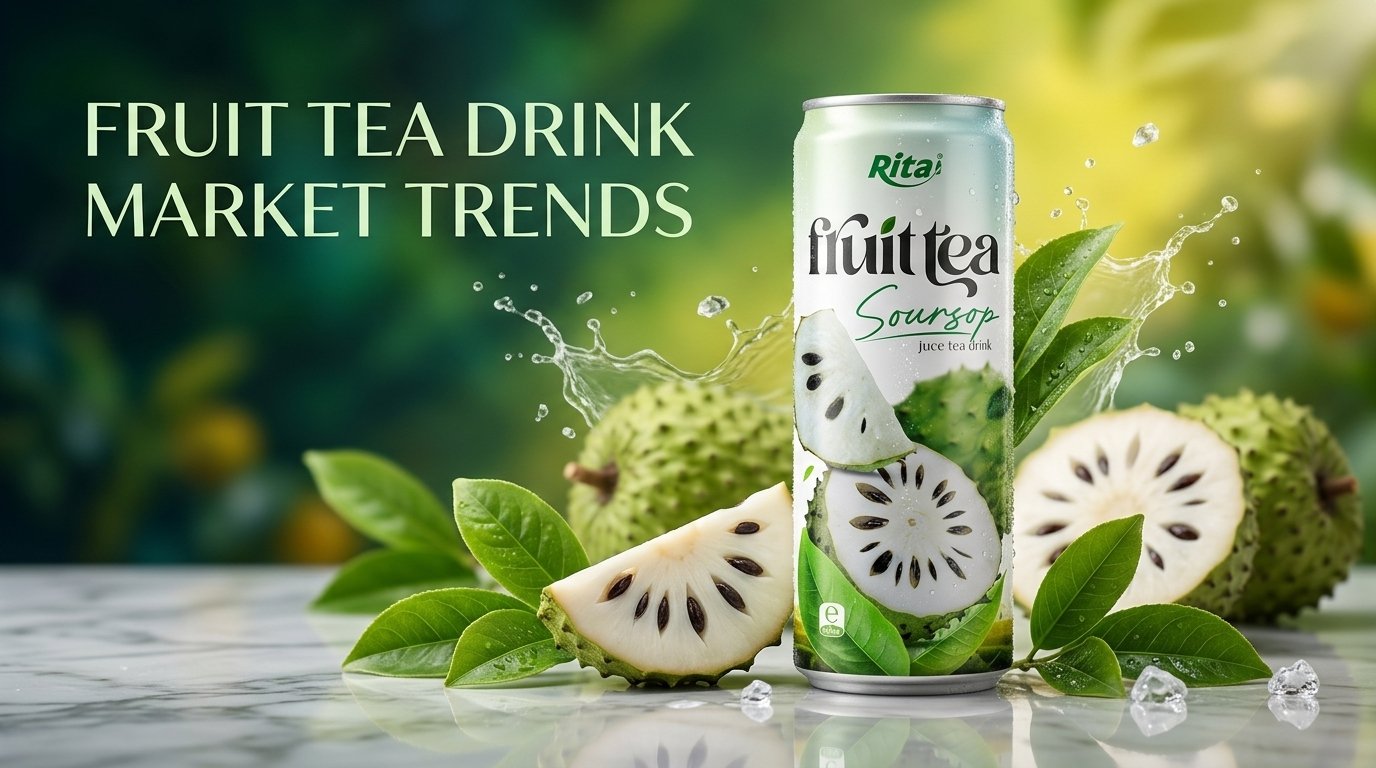
This article explores the market dynamics, consumer insights, and business opportunities surrounding fruit tea drinks, using the 320ml Sleek Alu Can Fruit Tea Drink With Soursop Flavor as a case example to illustrate key points for importers, distributors, and F&B businesses.
Key Takeaways
- Fruit tea drinks in sleek aluminum cans are a fast-growing segment in the US and European beverage markets, driven by demand for convenient, portable, and flavorful options.
- The 320ml Sleek Alu Can Fruit Tea Drink With Soursop Flavor exemplifies how unique tropical flavors and modern packaging can capture consumer interest.
- Importers and distributors can leverage OEM and private label partnerships to customize fruit tea products for local tastes and brand positioning.
- Understanding regulatory compliance, supply chain efficiency, and market-specific trends is crucial for successful market entry and expansion.
Market Overview: The Rise of Fruit Tea Drinks in the US and Europe
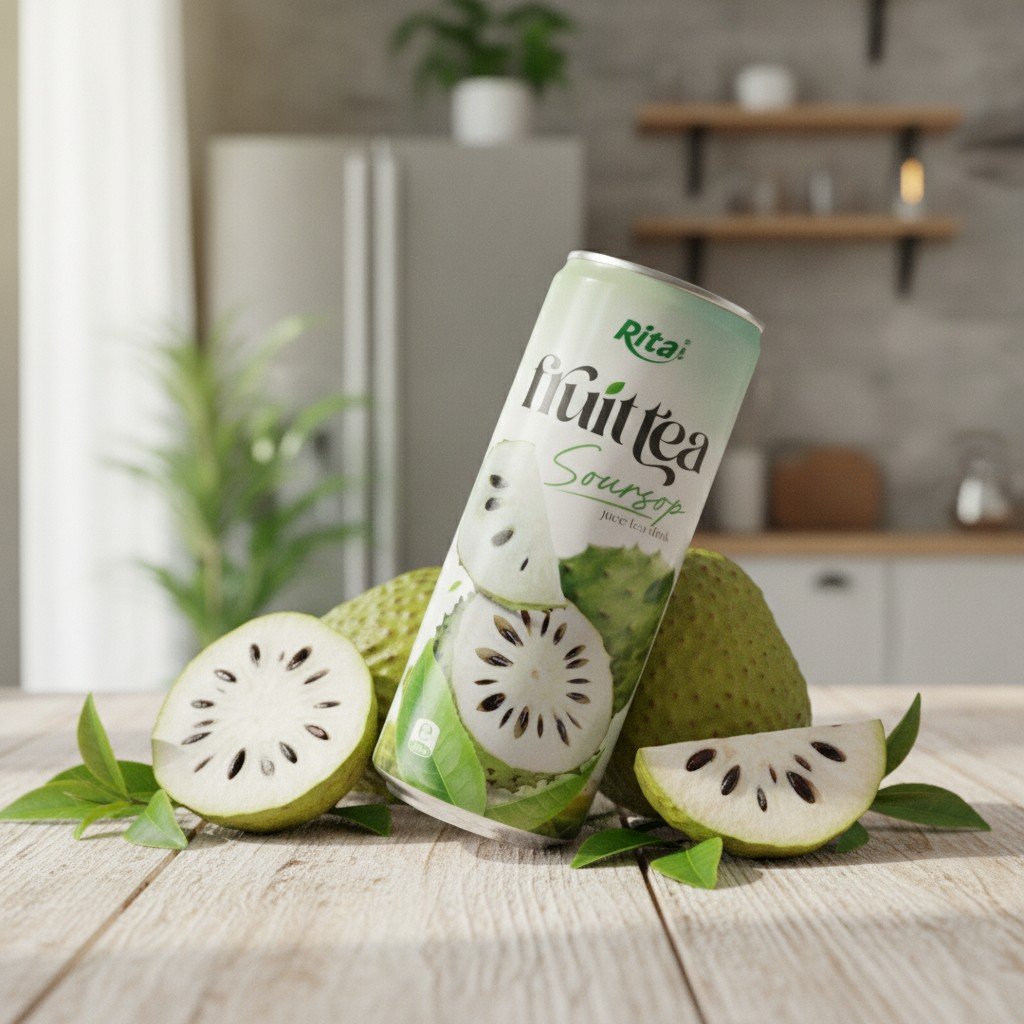
The fruit tea drink segment has grown steadily over the past decade, with the global market projected to reach significant value in the coming years. In the United States, consumers are increasingly seeking beverages that offer a balance of flavor and functionality, without the high sugar content of traditional sodas. Fruit tea drinks, often perceived as a lighter alternative, fit this demand perfectly. The US market, known for its diverse palate, embraces exotic fruit flavors like soursop, which adds a tropical twist to the classic tea base.
320ml Sleek Alu Can Fruit Tea Drink With.
In Europe, particularly in countries like Germany, the UK, and France, the trend toward premium, natural, and low-sugar beverages is driving interest in fruit tea drinks. European consumers are also highly attentive to packaging sustainability, making aluminum cans a preferred choice due to their recyclability and convenience. The 320ml sleek can format is especially popular for on-the-go consumption, aligning with urban lifestyles and the growing demand for portion-controlled beverages.
Consumer Behavior and Preferences
Modern consumers are more informed and discerning than ever. They read labels, seek transparency, and often prefer products with recognizable ingredients. Fruit tea drinks that combine real fruit extracts with tea bases are seen as a step up from artificially flavored alternatives. The soursop flavor, for instance, offers a unique taste experience that stands out in a crowded market. This differentiation can be a key selling point for brands looking to capture niche segments.
Packaging also plays a critical role. The sleek aluminum can not only preserves the beverage's freshness and flavor but also provides a premium feel. For importers and distributors, offering a product in this format can enhance shelf appeal and attract health-conscious, eco-aware consumers. The shelf life of 18 months further ensures product stability during long shipping and storage cycles, which is a practical advantage for international trade.
Opportunities for Importers and Distributors in the US and European Markets
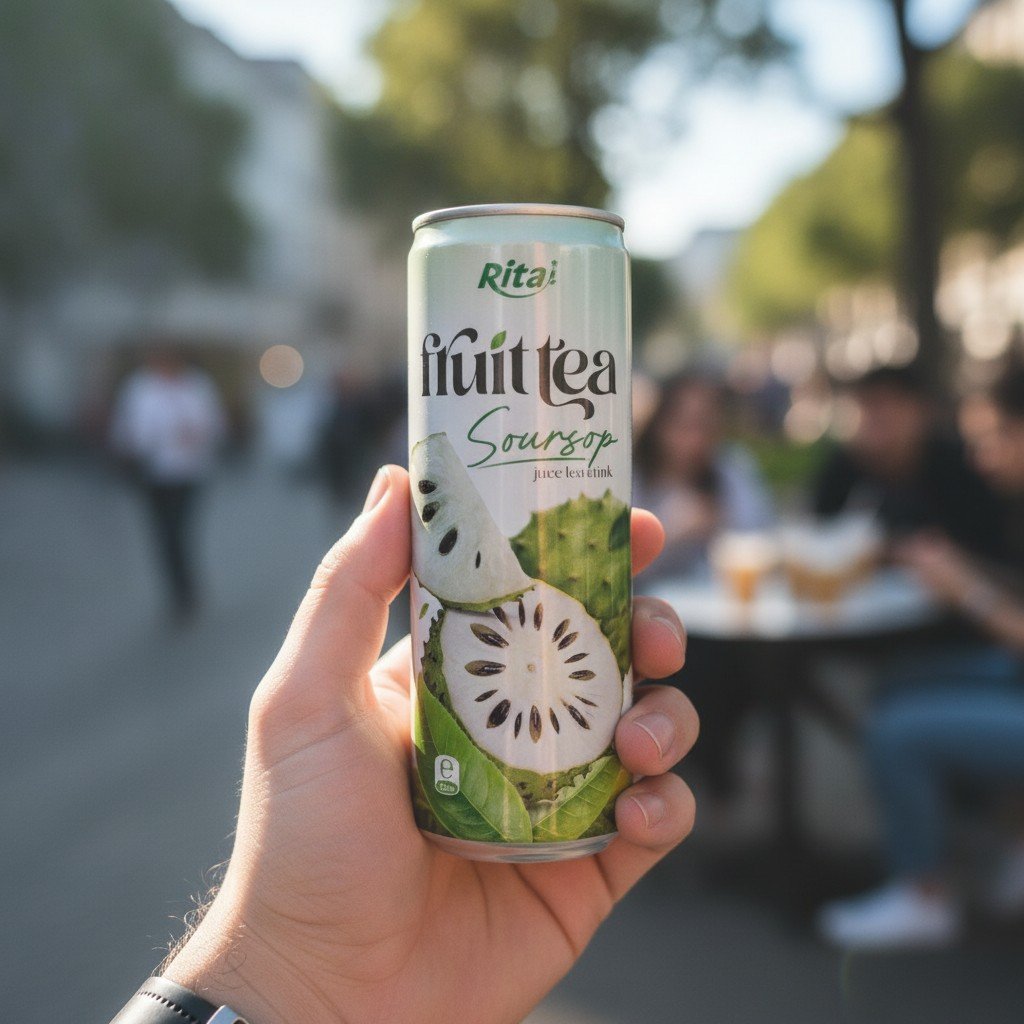
The US and European markets present substantial opportunities for fruit tea drink imports, particularly for products with unique flavor profiles and modern packaging. The 320ml Sleek Alu Can Fruit Tea Drink With Soursop Flavor is well-positioned to meet these demands. For importers, the key is to identify distribution channels that align with the product's premium positioning. Specialty grocery stores, health food chains, and online platforms are ideal starting points, as they cater to consumers willing to try new and exotic beverages.
Distributors can also explore partnerships with coffee shops, cafes, and restaurants that are expanding their non-alcoholic beverage menus. The sleek can format is convenient for food service operations, offering easy storage and serving. Additionally, the product's certification, including ISO, HACCP, HALAL, and USDA Organic, provides assurance to buyers who prioritize quality and compliance. These certifications are particularly important in the European market, where regulatory standards are stringent.
Customization and Private Label Opportunities
One of the most compelling advantages for importers and distributors is the ability to customize the product through OEM and ODM services. The manufacturer, with its expertise in developing custom formulations, can adjust the sweetness level, flavor intensity, and even the tea base to suit local preferences. For example, a distributor targeting the US market might opt for a slightly sweeter version, while a European partner may prefer a less sweet, more natural profile. This flexibility allows businesses to create a unique product that resonates with their target audience.
Private label options also enable companies to build their own brand without the need for extensive R&D. The manufacturer's support extends to packaging design, ensuring that the final product aligns with the brand's visual identity. This turnkey solution reduces time to market and lowers entry barriers for new players. The minimum order quantity of 200 cartons is manageable for small to medium-sized enterprises, while the supply ability of 300 twenty-foot containers per month ensures scalability for larger operations.
Supply Chain and Logistics Considerations
When importing fruit tea drinks from Vietnam, understanding the logistics is essential. The product is shipped from Cat Lai Port in Ho Chi Minh City, one of the busiest ports in Southeast Asia, with reliable connections to major US and European ports. The delivery time of 20 to 25 days after order confirmation is competitive, especially given the product's 18-month shelf life. This allows ample time for customs clearance, warehousing, and distribution.
Importers should also consider the payment terms, typically L/C or T/T, which are standard in international trade. Working with a manufacturer that has a proven track record in exporting to 200+ countries can mitigate risks related to quality and compliance. The manufacturer's QC lab, staffed with 40 professional quality control experts, ensures that each batch meets the required standards. This level of quality assurance is crucial for maintaining brand reputation in competitive markets.
Regulatory Compliance and Certifications
Entering the US and European markets requires adherence to strict food safety regulations. The product's certifications, including ISO, HACCP, HALAL, and USDA Organic, demonstrate compliance with international standards. For the US market, the FDA's regulations on labeling and ingredient disclosure must be followed. The manufacturer can provide necessary documentation to facilitate this process. In Europe, the EU's Novel Food Regulation and labeling directives must be considered, but the product's natural fruit tea composition typically aligns with these requirements.
Importers should also be aware of the growing demand for organic products in both regions. The USDA Organic certification is a significant advantage for the US market, while the EU Organic certification is highly valued in Europe. Having both certifications can open doors to premium retail channels and attract consumers who prioritize organic products.
Marketing and Positioning Strategies for Fruit Tea Drinks
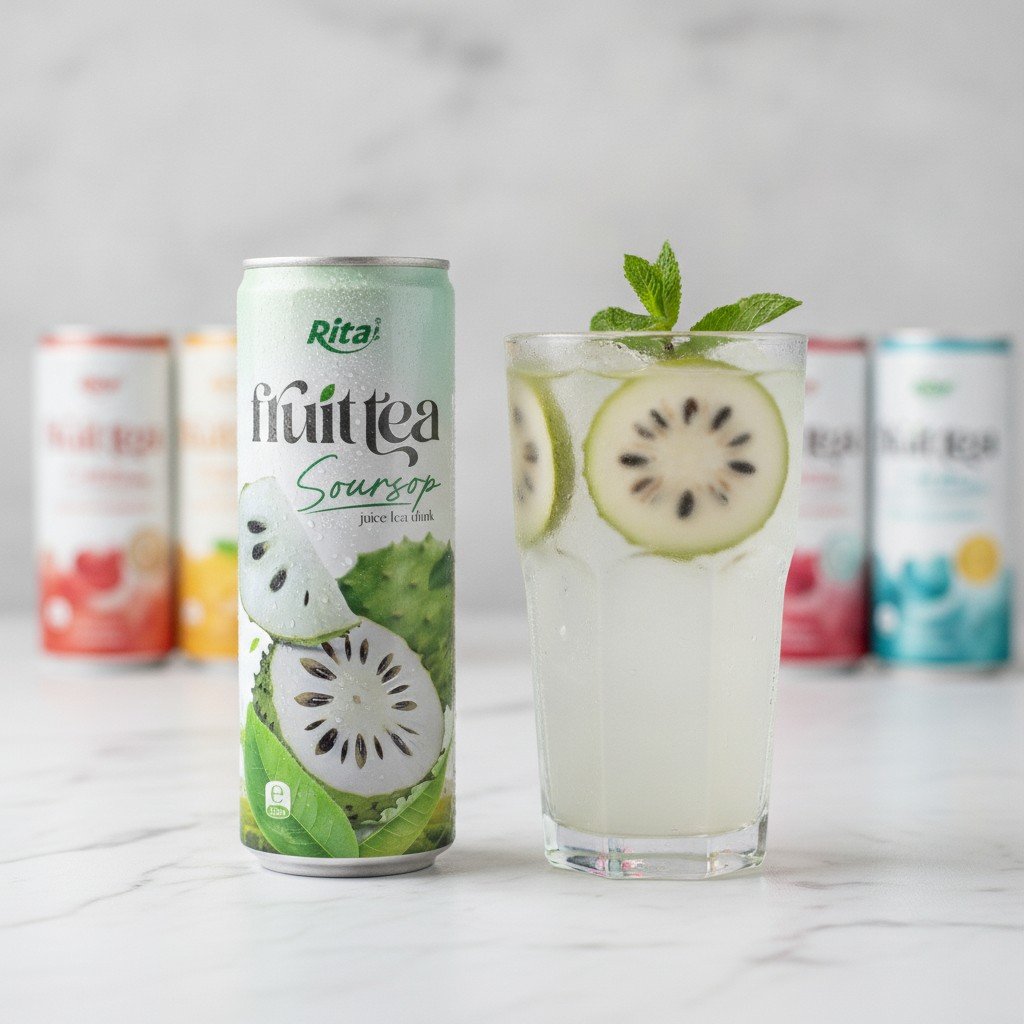
Effective marketing is key to capturing consumer attention. The unique soursop flavor can be highlighted as a tropical escape, appealing to consumers looking for new taste experiences. Social media campaigns, influencer partnerships, and in-store tastings can help build brand awareness. The sleek aluminum can itself is a visual asset, often associated with modern, premium beverages. Brands can leverage this by emphasizing the can's recyclability and convenience.
For B2B buyers, the value proposition lies in the product's quality, customization options, and supply chain reliability. Highlighting the manufacturer's experience in exporting to global markets, as well as the product's certifications, can build trust. Trade shows, industry publications, and direct outreach to distributors are effective ways to connect with potential partners. The product's competitive pricing, combined with its premium attributes, offers a strong value proposition for importers seeking to differentiate their portfolio.
Future Trends and Growth Potential
The fruit tea drink category is expected to continue growing, driven by consumer demand for healthier, flavorful, and convenient beverages. The use of exotic fruit flavors like soursop is likely to become more mainstream as global palates become more adventurous. Innovations in packaging, such as the sleek aluminum can, will further enhance the product's appeal. For importers and distributors, staying ahead of these trends is essential for long-term success.
Additionally, the rise of e-commerce and direct-to-consumer channels offers new opportunities for market penetration. Online platforms allow brands to reach niche audiences and build loyal customer bases. The 320ml sleek can format is well-suited for online sales, as it is lightweight and easy to ship. Importers who can effectively combine online and offline strategies will be well-positioned to capitalize on the growing demand for fruit tea drinks.
Frequently Asked Questions
For more information on the 320ml Sleek Alu Can Fruit Tea Drink With Soursop Flavor, visit the product page or explore related categories like tea and fruit beverages and OEM beverage solutions.