Mango Juice Drink in Sleek Can Market Opportunities for Global Importers
The global beverage industry is undergoing a significant transformation, driven by evolving consumer preferences and a growing demand for natural, convenient products. As importers, distributors, and HORECA chains seek to capitalize on these trends, the mango juice drink in sleek can format has emerged as a compelling product category.
This article explores the market dynamics, trade opportunities, and strategic partnerships that define this segment, offering actionable insights for global beverage professionals.
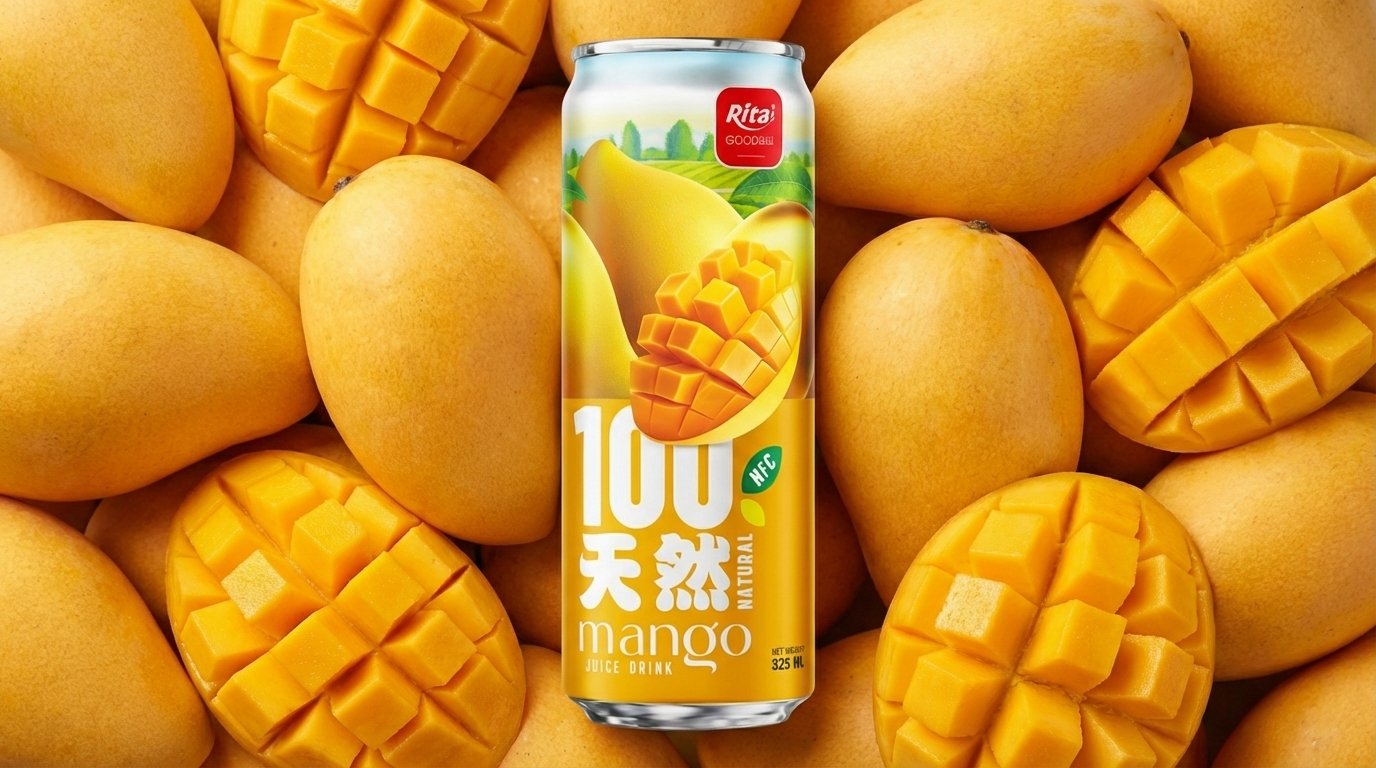
Key Takeaways
- The global natural juice drink market is expanding rapidly, with mango flavors leading in demand across Asia, Europe, and North America.
- Consumer behavior is shifting toward clean-label, single-serve packaging like the sleek can format, which offers portability and shelf appeal.
- Importers and distributors can benefit from OEM/ODM partnerships with established Vietnam manufacturers like RITA to reduce costs and ensure quality.
- HORECA applications for mango juice drinks are growing in hotels, restaurants, and cafes, particularly in tropical and health-conscious markets.
- Cross-border trade opportunities are abundant, with Vietnam serving as a strategic sourcing hub for natural fruit juice beverages.
Global Beverage Market Trends Driving Demand for Natural Mango Juice
The global beverage market is experiencing a paradigm shift toward natural, minimally processed drinks. According to recent industry reports, the fruit juice segment is projected to grow at a CAGR of 5.2% through 2030, with mango juice leading in popularity due to its versatile flavor profile and perceived quality. The sleek can format, typically 325ml, aligns with consumer preferences for portion control and on-the-go consumption.
Rise of Clean-Label and Natural Ingredients
Consumers are increasingly scrutinizing ingredient lists, favoring products with no artificial additives, preservatives, or sweeteners. A 100 natural mango juice drink meets this demand head-on, offering a straightforward formulation that resonates with health-conscious buyers. For global importers, this trend opens doors to premium pricing and brand differentiation.
Convenience Packaging and Single-Serve Formats
The sleek can is not just a packaging choice; it is a strategic response to modern lifestyles. Its lightweight, recyclable aluminum body is ideal for retail shelves, vending machines, and travel retail. In markets like the United States and Europe, single-serve cans are preferred for their portability and reduced environmental footprint. This format is particularly attractive for HORECA applications, where portion consistency is critical.
Consumer Behavior Shifts and Retail Distribution Strategies
Understanding how consumers make purchasing decisions is crucial for importers and distributors. The shift toward online grocery shopping, coupled with increased demand for premium beverages, requires a nuanced approach to retail distribution.
Premiumization and Brand Storytelling
Today's consumers are willing to pay a premium for products with a compelling brand narrative. For a natural mango juice drink, this could include highlighting the origin of mangoes or the manufacturing process. Distributors should leverage packaging design and in-store merchandising to communicate quality. OEM partnerships allow brands to customize labels and recipes to target local tastes, such as sweeter profiles in Asia or less sweet versions in Europe.
E-Commerce and Direct-to-Consumer Channels
The rise of e-commerce platforms like Amazon, Alibaba, and regional marketplaces has transformed beverage distribution. Importers can now reach end consumers directly, bypassing traditional retail intermediaries. For a 325ml sleek can product, subscription models and bulk purchasing options are effective strategies. Additionally, social media marketing can drive trial and repeat purchases, especially among younger demographics.
Import Export Trade and Cross-Border Market Opportunities
Vietnam has emerged as a leading exporter of fruit juice beverages, thanks to its abundant tropical fruit resources and advanced manufacturing infrastructure. For global importers, sourcing from Vietnam offers cost advantages and access to high-quality production capabilities.
Vietnam as a Strategic Sourcing Hub
Manufacturers like RITA, with over 20 production lines and a monthly capacity of 1,200 containers, provide reliable supply for large-volume orders. The company's certifications—ISO, HACCP, HALAL, KOSHER, BRC, FSSC 22000, USDA Organic, and EU Organic—ensure compliance with international standards. This makes Vietnam an attractive alternative to traditional sourcing markets like Thailand or China for natural fruit juice beverages.
Navigating Customs and Labeling Requirements
Importers must be familiar with country-specific regulations, including ingredient labeling, nutritional facts, and packaging standards. RITA's experience exporting to the USA, Europe, Middle East, Asia, and Africa means they can assist with compliance documentation. For example, mango juice drinks exported to the EU must meet strict food safety standards, while those destined for the Middle East require HALAL certification.
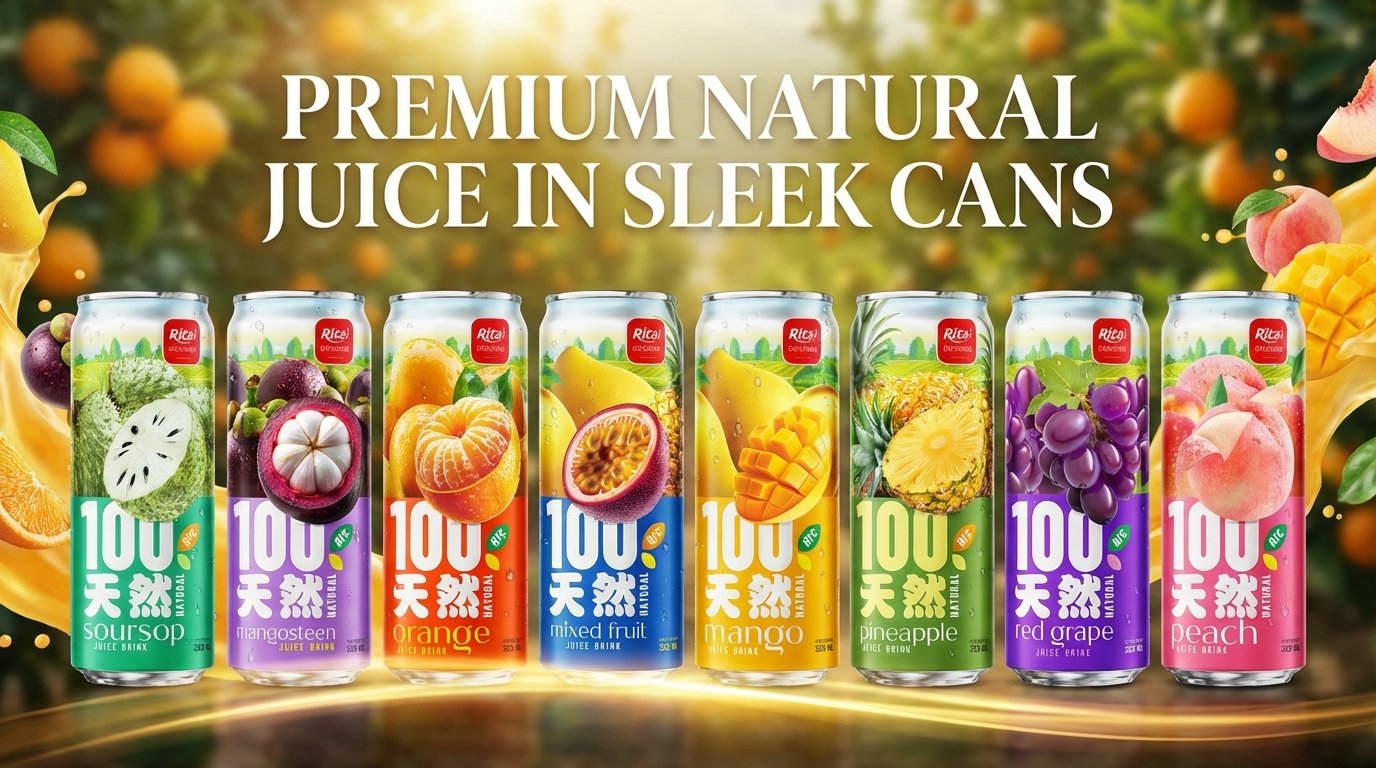
OEM ODM Manufacturing Partnerships for Beverage Brands
For entrepreneurs and established brands alike, OEM/ODM partnerships offer a cost-effective way to enter the mango juice market without investing in production facilities. RITA provides comprehensive services, from recipe development to packaging design.
Customization Options and Flexible MOQ
Whether it's adjusting sweetness levels, adding unique flavor blends, or designing sleek can graphics, OEM partners can tailor products to specific markets. RITA's flexible MOQ allows smaller brands to test new markets with limited risk. For instance, a startup targeting the European market can launch a limited run of 325ml sleek cans with organic certification, then scale up based on demand.
Quality Assurance and Supply Chain Reliability
Partnering with a certified manufacturer ensures product consistency and safety. RITA's quality certifications, including BRC and FSSC 22000, provide importers with confidence in the supply chain. This is especially important for HORECA clients, where product quality directly impacts guest satisfaction. For example, a hotel chain in the Middle East can source a private-label mango juice drink for its breakfast buffets, ensuring a consistent taste across properties.
HORECA Applications for Mango Juice Drinks
The HORECA sector represents a significant growth opportunity for mango juice drinks. From hotel minibars to restaurant beverage menus, the sleek can format offers convenience and premium appeal.
Hotels and Resorts
In tropical destinations, mango juice is a popular beverage choice. Hotels can offer it as a refreshing welcome drink or as part of a poolside menu. The 325ml can is ideal for minibars, providing portion control and reducing waste. Importers can partner with hotel chains to create custom-branded cans, enhancing the guest experience.
Restaurants and Cafes
Restaurants are increasingly incorporating natural juices into their cocktail and mocktail programs. A mango juice drink can be used as a mixer for tropical cocktails or served as a standalone non-alcoholic option. For cafes, it can be paired with sparkling water for a spritzer or used in smoothie bowls. The sleek can's modern aesthetic aligns with the design sensibilities of upscale dining establishments.
Cross-Border Trade and Market Entry Strategies
Expanding into new geographic markets requires careful planning. Importers must consider factors like taste preferences, pricing, and distribution channels.
Regional Taste Variations
Consumer palates vary significantly across regions. For example, mango juice drinks in Southeast Asia tend to be sweeter, while European consumers prefer a less sweet, more acidic profile. OEM partners can adjust recipes accordingly. RITA's R&D team can develop formulations that cater to specific markets, ensuring product acceptance.
Distribution Channels and Logistics
For cross-border trade, building relationships with local distributors is key. In North America, partnering with natural food distributors can help reach health-conscious consumers. In the Middle East, working with HORECA suppliers is effective. Additionally, leveraging free trade agreements can reduce tariff costs. For example, Vietnam's participation in the CPTPP allows for preferential tariffs in markets like Canada and Japan.
Frequently Asked Questions
1. What is the typical shelf life of a natural mango juice drink in a sleek can?
The product typically has a shelf life of 12 to 24 months from the production date when stored in a cool, dry place away from direct sunlight. This makes it suitable for long-distance shipping and retail inventory management.
2. Can the mango juice drink be customized for private label or OEM orders?
Yes, this product is available for OEM and ODM partnerships. Manufacturers like RITA offer customizable recipes, packaging design, and branding to suit your target market, with flexible minimum order quantities.
3. What certifications should importers look for when sourcing mango juice from Vietnam?
Importers should prioritize suppliers with ISO, HACCP, HALAL, KOSHER, BRC, FSSC 22000, and organic certifications. These ensure compliance with international food safety standards and facilitate customs clearance in various regions.
4. How can HORECA businesses benefit from using sleek can mango juice drinks?
HORECA businesses benefit from portion control, reduced waste, and premium presentation. The 325ml sleek can is ideal for minibars, beverage menus, and catering events, offering a consistent, high-quality product that enhances guest satisfaction.
5. What is the minimum order quantity for OEM mango juice drinks?
Minimum order quantities vary by manufacturer. RITA offers flexible MOQ options, allowing small and medium-sized brands to test new markets with limited volumes before scaling up production.