Global Peach Juice Drink Market Trends and Sourcing Opportunities for Importers
The global beverage industry is undergoing a significant transformation, driven by evolving consumer preferences for natural ingredients and convenient packaging. Among the most dynamic segments, the peach juice drink category has emerged as a key growth area, offering substantial opportunities for importers, distributors, and HORECA operators.
This article explores the market trends, consumer behavior shifts, and strategic sourcing pathways for a 100% natural peach juice drink in a 325ml sleek can, providing actionable insights for global trade professionals.
Key Takeaways
- The global shift toward natural and clean-label beverages is driving demand for 100% natural fruit juice drinks, including peach variants.
- Consumer preference for premium, single-serve packaging like the 325ml sleek can is reshaping retail and HORECA distribution strategies.
- Importers can leverage OEM/ODM partnerships with established manufacturers to customize natural peach juice drinks for regional markets.
- Vietnam is emerging as a competitive sourcing hub for large-scale production of natural fruit juice drinks with fast lead times.
- Cross-border trade opportunities are expanding, particularly for formats that meet international compliance and shelf-life requirements.
Global Beverage Market Trends Driving Natural Peach Juice Demand
The global non-alcoholic beverage market is projected to exceed USD 1.5 trillion by 2027, with fruit juices and juice drinks representing a significant share. Within this segment, peach-flavored beverages are gaining traction due to their versatile taste profile and perceived naturalness.
Rise of Clean-Label and Natural Ingredients
Consumers worldwide are increasingly scrutinizing ingredient lists, favoring products with no artificial additives. This trend has accelerated demand for 100% natural fruit juice drinks. A 2023 survey indicated that over 60% of global consumers are willing to pay a premium for beverages labeled as natural. This shift is particularly pronounced in North America and Europe, where importers are actively seeking suppliers who can deliver authentic, minimally processed products.
Packaging Innovation and Consumer Convenience
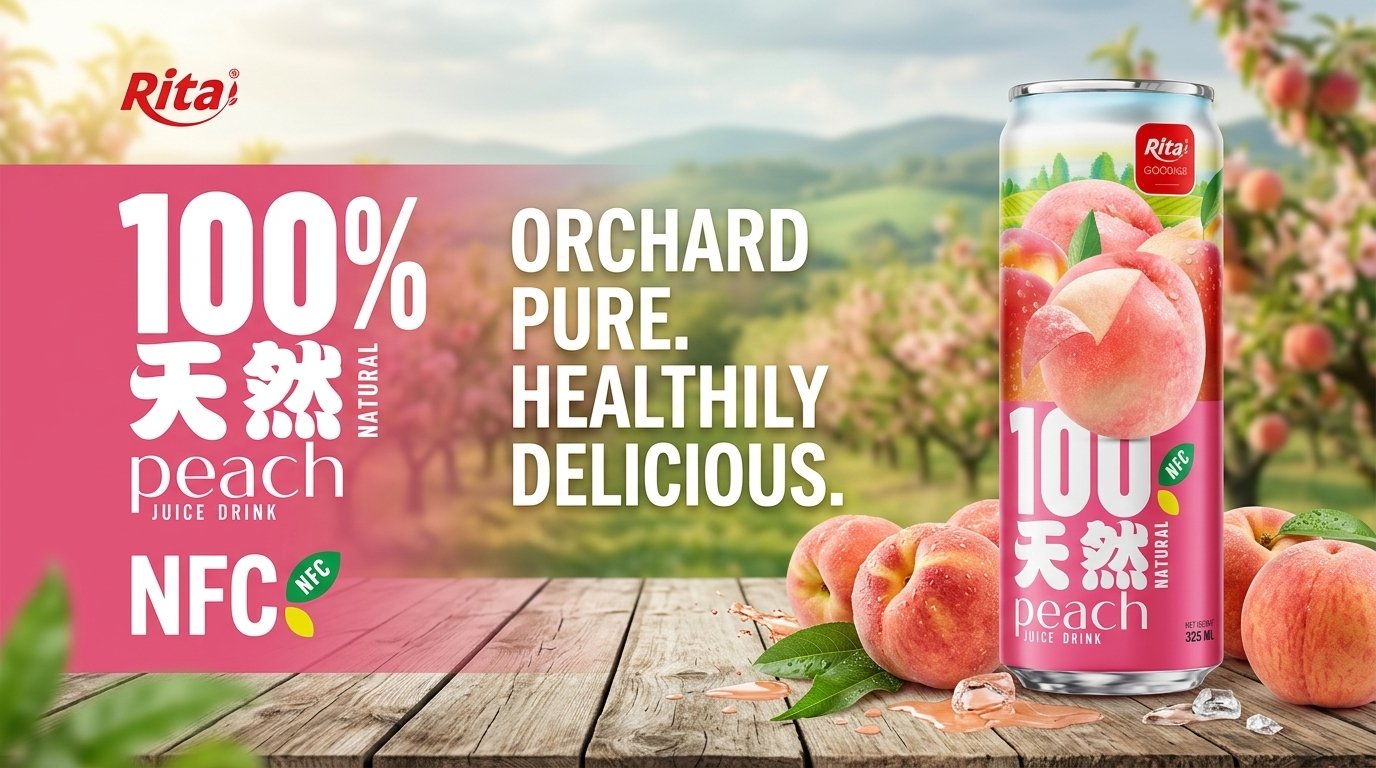
The 325ml sleek can format represents a convergence of premium aesthetics and practical convenience. Its slim profile fits easily into cup holders and lunch bags, making it ideal for on-the-go consumption. This packaging also offers superior product protection, extending shelf life without preservatives. For importers, this format reduces transportation weight and breakage risk compared to glass bottles, lowering logistics costs.
Consumer Behavior Shifts and Retail Distribution Strategies
Understanding how and where consumers purchase beverages is critical for importers and distributors. The modern beverage consumer values transparency, sustainability, and brand story, influencing retail placement and promotional tactics.
E-commerce and Direct-to-Consumer Channels
Online grocery sales have doubled since 2019, creating new opportunities for imported beverages. A 100 Natural Peach Juice Drink 325ml Sleek Can is well-suited for subscription boxes and online marketplaces due to its lightweight, durable packaging. Importers should ensure product listings include clear ingredient disclosures and origin information to build trust with discerning online shoppers.
Retail Shelving and Category Management
In physical retail, natural juice drinks are increasingly placed in premium chilled sections alongside functional beverages. The sleek can design offers better shelf visibility and a modern brand image. Distributors can leverage this format to negotiate prime shelf space in convenience stores, supermarkets, and specialty organic retailers.
Import/Export Trade and Distribution Channels for Peach Juice Drinks
Cross-border trade in fruit juice drinks involves navigating tariffs, labeling regulations, and quality certifications. However, the rewards are significant for well-prepared importers.
Key Export Regions and Trade Agreements
Vietnam has become a leading exporter of fruit juice drinks to over 50 countries, including the USA, Europe, and the Middle East. Manufacturers like RITA offer competitive pricing and natural peach juice drink with certifications such as BRC, FSSC 22000, and USDA Organic, simplifying compliance for importers. Trade agreements like the EVFTA reduce tariff barriers for shipments to Europe, enhancing profit margins.
Logistics and Cold Chain Considerations
While the 325ml sleek can does not require continuous refrigeration, maintaining a stable temperature during transit preserves flavor quality. Importers should partner with freight forwarders experienced in beverage logistics. The product's 12–24 month shelf life provides flexibility for sea freight, allowing cost-effective bulk shipments.
OEM/ODM Manufacturing Partnerships for Custom Peach Juice Drinks
For importers seeking differentiation, OEM and ODM partnerships offer the ability to create unique formulations and branding. This approach is particularly valuable for targeting specific regional taste preferences.
Recipe Customization and Brand Development
Manufacturers like RITA provide comprehensive OEM/ODM services, including flavor profile adjustments, sweetness levels, and mouthfeel optimization. Importers can develop a peach juice drink that appeals to local palates—for example, a less sweet version for European markets or a more intense peach flavor for Asian consumers. Brand development support, including label design, helps importers build a distinct market identity.
Flexible MOQ and Packaging Options
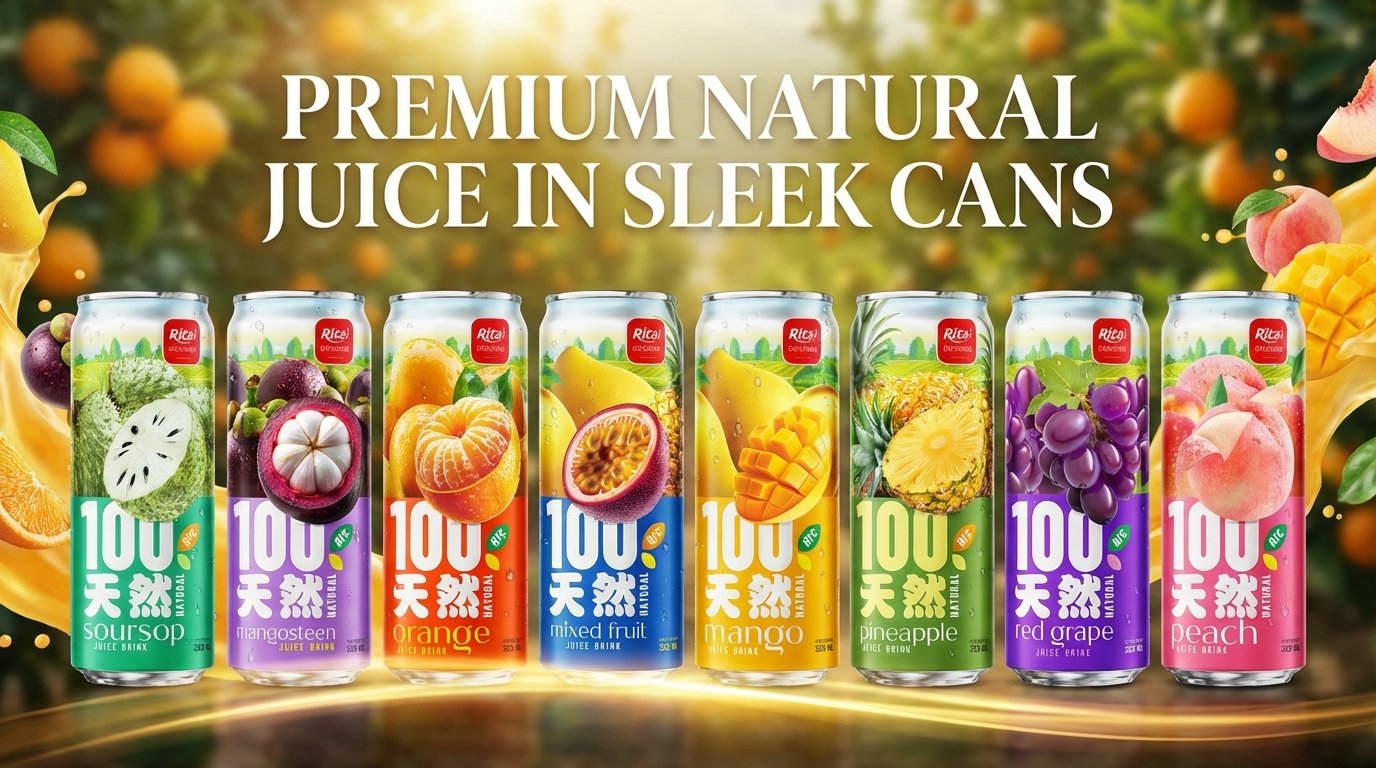
One of the barriers to entry for new importers is high minimum order quantities. However, many Vietnamese manufacturers offer flexible MOQs for custom formulations. The 325ml sleek can is available alongside other aluminum can sizes (200ml, 250ml, 330ml, 500ml), allowing importers to test multiple formats within a single production run. This flexibility reduces financial risk and enables market testing.
HORECA Applications for Peach Juice Drinks
The hotel, restaurant, and café (HORECA) sector represents a high-margin channel for premium beverages. The 325ml sleek can is particularly suited for this environment due to its portion control and upscale presentation.
Mixology and Cocktail Programs
Natural peach juice drinks are increasingly used as mixers in craft cocktails and mocktails. Bartenders value the consistent flavor profile and the ability to offer a non-alcoholic option. The sleek can format also allows for easy inventory management and reduces waste compared to fresh juice. Hotels and resorts can feature the drink in poolside bars or breakfast buffets, enhancing guest experience.
Food Service Partnerships and Menu Integration
Restaurants and cafés can incorporate the peach juice drink into signature beverages, from sparkling peach spritzers to iced tea blends. Distributors can target food service operators by offering sample programs and volume discounts. The 325ml sleek can is also an attractive alternative to bulk dispensers in fast-casual dining settings, providing a branded touchpoint for customers.
Cross-Border Trade and Market Opportunities
The global trade landscape for fruit juice drinks is expanding, with emerging markets in Africa, the Middle East, and Southeast Asia showing strong import growth. Importers can capitalize on these trends by aligning with reliable suppliers.
Regional Market Entry Strategies
In the Middle East, demand for imported fruit juice drinks is driven by a young population and a thriving tourism sector. Products with HALAL certification, such as those from RITA, have a competitive advantage. In Africa, urbanization and rising disposable incomes are fueling demand for packaged beverages. Importers can explore partnerships with local distributors who understand regulatory requirements and retail networks.
Leveraging Vietnam’s Manufacturing Advantages
Vietnam offers a unique combination of cost efficiency, production scale, and quality certifications. Manufacturers operate 20+ modern production lines with a monthly capacity of approximately 1,200 containers. This scale allows for competitive pricing while maintaining strict quality control. For importers seeking carbonated drink alternatives, Vietnamese factories also produce a wide range of carbonated beverages suitable for private labeling.
Furthermore, manufacturers with experience in global markets can assist with international labeling and customs documentation, reducing administrative burden for importers. The ability to source coconut products from the same supplier simplifies procurement and strengthens supply chain resilience.
Frequently Asked Questions
1. What is the typical shelf life of a natural peach juice drink in a 325ml sleek can, and what are the storage requirements?
This product generally offers a shelf life of 12 to 24 months from the production date when stored in a cool, dry place away from direct sunlight. No refrigeration is required, but temperature stability during storage and transit helps maintain optimal flavor.
2. Can the peach juice drink be customized for private label or OEM orders?
Yes, this product is available for OEM and ODM partnerships. Manufacturers like RITA offer customization in recipe development (flavor, sweetness, mouthfeel), packaging design, and branding. Flexible MOQ options allow importers to test markets with smaller initial orders.
3. What quality certifications should importers look for when sourcing natural juice drinks from Vietnam?
Reputable Vietnamese manufacturers typically hold certifications such as ISO, HACCP, HALAL, BRC, FSSC 22000, USDA Organic, and EU Organic. These certifications ensure compliance with international food safety and quality standards, facilitating smoother customs clearance in target markets.
4. How does the 325ml sleek can compare to other packaging formats for HORECA use?
The 325ml sleek can offers several advantages for HORECA: portion control, reduced waste, premium aesthetics, and ease of storage. It is lighter and less fragile than glass bottles, lowering shipping costs and breakage risks. Its slim profile also fits well in mini-bar setups and café displays.
5. What are the key factors driving demand for peach juice drinks in international markets?
Key drivers include the global shift toward natural and clean-label beverages, the versatile flavor profile of peach that appeals across demographics, and the convenience of single-serve packaging. Additionally, increasing health awareness and the rise of premium non-alcoholic options in food service are fueling demand.