Global Soursop Juice Market Opportunities for Beverage Importers
The global beverage market is undergoing a significant transformation as consumers increasingly seek natural, authentic, and culturally distinct flavors. Among the rising stars in the tropical fruit juice segment, soursop has captured the attention of importers, distributors, and hospitality chains worldwide.
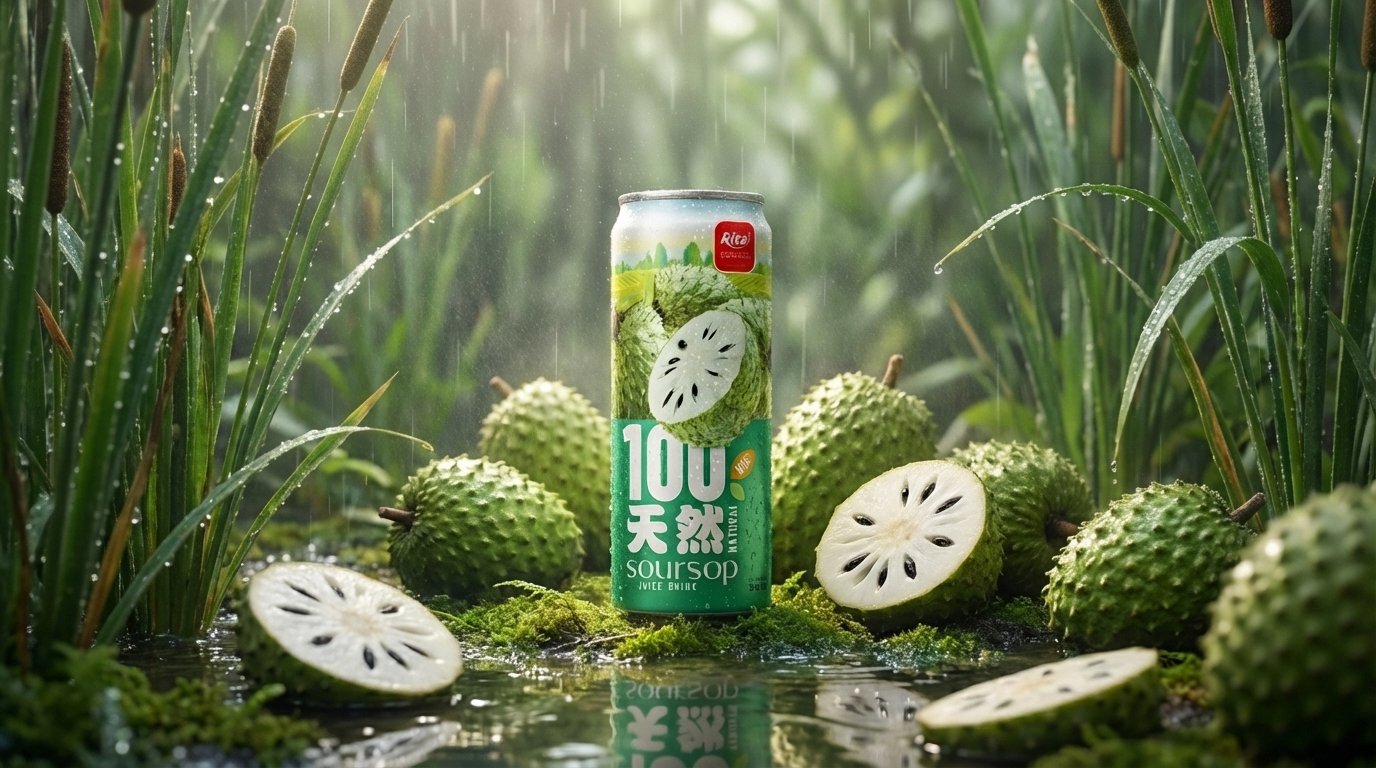
This article explores the market dynamics, supply chain opportunities, and strategic considerations for businesses looking to enter or expand within the soursop juice category, with a particular focus on the 100 Natural Soursop Juice Drink 325ml Sleek Can as a case study for modern beverage manufacturing.
Key Takeaways
- Global demand for tropical fruit juices, including soursop, is growing at a CAGR of 6-8% as consumers prioritize natural ingredients.
- The 100 Natural Soursop Juice Drink 325ml Sleek Can exemplifies the shift toward convenient, premium packaging in the ready-to-drink segment.
- Vietnam has emerged as a leading supply hub for soursop juice, offering competitive OEM/ODM services and large-scale production capacity.
- HORECA channels present significant opportunities for soursop juice as a versatile mixer and standalone beverage.
- Cross-border trade regulations and certification requirements are critical factors for successful market entry.
Market Trends Driving Soursop Juice Demand
The global beverage industry is experiencing a paradigm shift away from artificial flavors and high-sugar concentrates toward natural, minimally processed options. Soursop, known for its unique creamy texture and balanced sweet-tart profile, fits perfectly into this trend. According to recent trade data, tropical fruit juice imports in North America and Europe have increased by over 12% annually since 2020, with soursop being one of the fastest-growing subcategories.
Consumer Preference for Authentic Tropical Flavors
Modern consumers are more adventurous than ever, seeking authentic taste experiences from different cultures. Soursop, native to the Americas but now widely cultivated in Southeast Asia, offers a distinctive flavor that appeals to both diaspora communities and mainstream health-conscious buyers. The 325ml sleek can format, in particular, caters to on-the-go consumption while maintaining product integrity.
Rise of Clean Label and Natural Ingredients
Clean label trends have reshaped purchasing decisions, with 73% of global consumers willing to pay a premium for products with recognizable ingredients. The 100 Natural Soursop Juice Drink aligns with this demand, offering a product free from artificial additives and preservatives. This positioning is critical for importers targeting retail shelves in developed markets.
Supply Chain and Manufacturing Excellence
Vietnam has established itself as a powerhouse in tropical fruit juice production, thanks to favorable growing conditions and significant investments in processing technology. Manufacturers like RITA operate state-of-the-art facilities with over 20 production lines and a monthly capacity of approximately 1,200 containers, ensuring consistent supply for large-volume orders.
OEM and ODM Capabilities for Global Brands
For beverage entrepreneurs and established brands looking to launch private-label soursop juice, OEM and ODM partnerships offer a streamlined path to market. RITA provides comprehensive customization services, including recipe development, packaging design, and flexible minimum order quantities. Importers can work directly with the factory to create a unique product that meets local taste preferences while leveraging the manufacturer's expertise in tropical fruit processing.
Packaging Innovation for Modern Retail
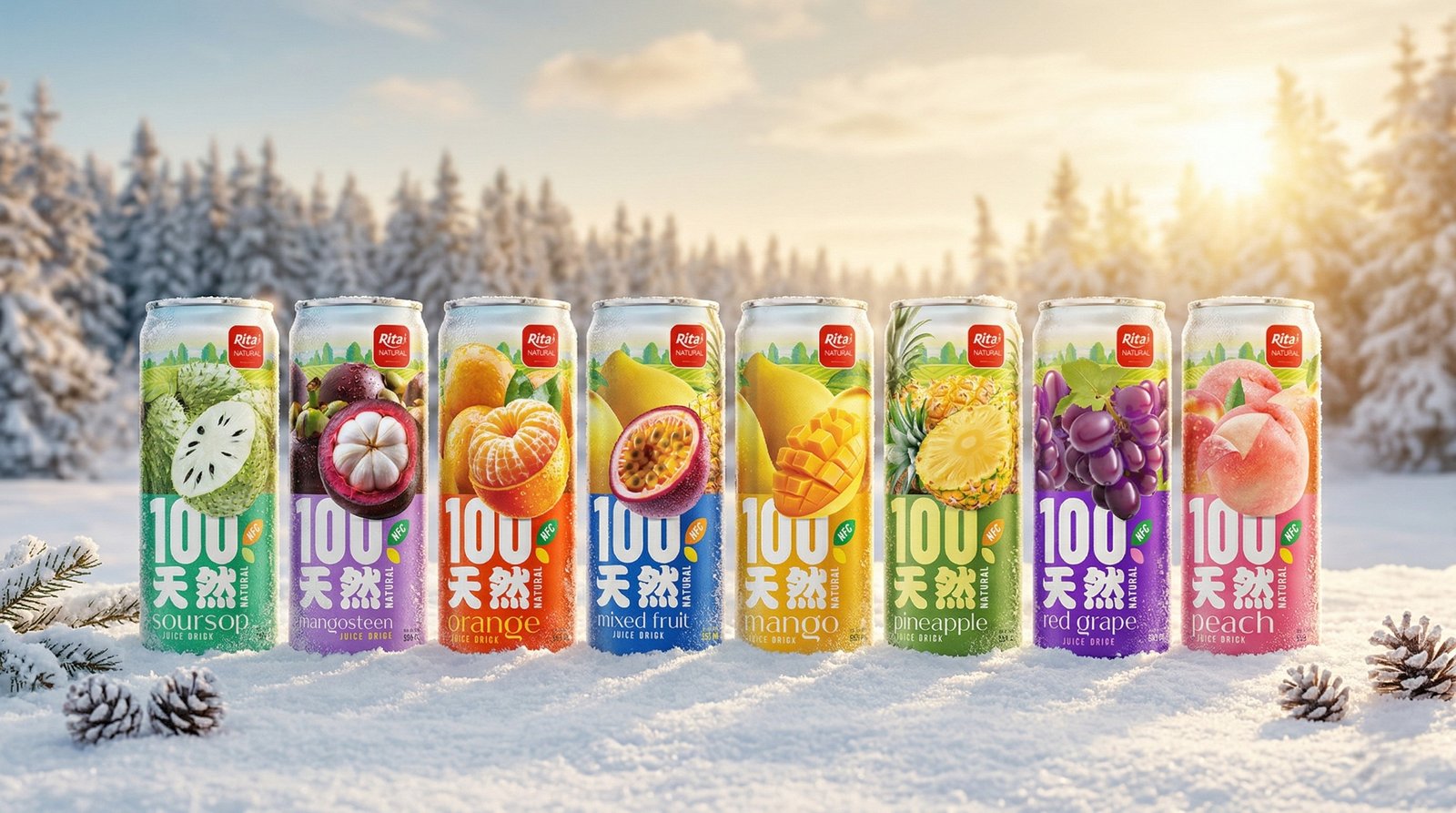
The 325ml sleek can format represents a strategic choice for the ready-to-drink segment. Aluminum cans offer superior light and oxygen protection, extending shelf life without the need for refrigeration. This packaging is also highly recyclable, appealing to environmentally conscious consumers. RITA offers a range of can sizes from 200ml to 500ml, allowing importers to select the optimal format for their target market.
HORECA Applications and Market Potential
The hotel, restaurant, and café (HORECA) sector presents substantial opportunities for soursop juice as a versatile ingredient. Bartenders are increasingly incorporating tropical fruit juices into craft cocktails, while health-focused cafés use soursop as a base for smoothie bowls and mocktails.
Mixology and Beverage Innovation
Soursop's creamy texture and balanced acidity make it an excellent mixer for spirits such as rum, vodka, and tequila. Hospitality chains seeking to differentiate their beverage menus can benefit from sourcing high-quality natural soursop juice in convenient single-serve cans. This format reduces waste and labor costs compared to fresh preparation, while ensuring consistent flavor across locations.
Health-Conscious Café Menus
As consumers reduce alcohol consumption, non-alcoholic beverage options have become a priority for HORECA operators. Soursop juice can be featured in signature mocktails, smoothies, and flavored sparkling water combinations. The 325ml can size is ideal for direct service or as a base for custom creations, offering operators flexibility and portion control.
Cross-Border Trade and Market Entry Strategies
Importing tropical fruit juices from Vietnam requires careful navigation of trade regulations, certification requirements, and logistics. Successful market entry depends on partnering with manufacturers that understand international compliance standards.
Certifications and Quality Assurance
Leading Vietnamese exporters hold a comprehensive suite of certifications, including ISO, HACCP, HALAL, KOSHER, BRC, and FSSC 22000. These certifications are essential for accessing markets in the US, Europe, and the Middle East. Importers should verify that their chosen supplier can provide documentation for organic certification (USDA Organic, EU Organic) if required for their target market.
Logistics and Shelf Life Considerations
The 100 Natural Soursop Juice Drink 325ml Sleek Can has a shelf life of 12-24 months when stored properly, making it suitable for sea freight. Importers should work with suppliers that have experience with international shipping, including proper container temperature management and customs documentation. RITA's export experience spans over 50 countries, ensuring smooth cross-border transactions.
Retail and Distribution Channel Strategies
Successful distribution of soursop juice requires a multi-channel approach that leverages both traditional retail and emerging direct-to-consumer models.
Supermarket and Specialty Store Placement
In developed markets, soursop juice is often positioned in the international foods aisle or the premium juice section. Importers can differentiate their products by emphasizing the natural sourcing and unique flavor profile. The sleek can design also appeals to convenience store buyers looking for grab-and-go options.
E-Commerce and Direct-to-Consumer Sales
Online grocery platforms have expanded access to specialty beverages, allowing smaller importers to reach niche audiences. Importers can leverage the product's natural positioning to target health-focused consumers through subscription boxes and curated food delivery services. The 325ml can is well-suited for e-commerce due to its lightweight and durable packaging.
Future Outlook for Soursop Juice in Global Trade
The trajectory for soursop juice remains positive, driven by sustained consumer interest in natural, functional, and exotic beverages. As more importers discover the advantages of sourcing from Vietnam, the market is expected to become more competitive, rewarding those who establish strong supply chain relationships early.
Innovation in Product Formats
Beyond the standard juice drink, manufacturers are exploring hybrid products such as soursop-flavored sparkling water, kombucha, and probiotic juices. Importers should monitor these developments to identify new opportunities for product line expansion. RITA's R&D team can assist in developing customized formulations for specific market segments.
Sustainability and Ethical Sourcing
Global buyers increasingly prioritize sustainability in their sourcing decisions. Vietnamese manufacturers are investing in sustainable farming practices and eco-friendly packaging solutions. Importers can use these attributes as marketing differentiators, appealing to environmentally conscious consumers. For a wider selection of tropical beverages, visit our fruit juice product catalog.
Frequently Asked Questions
1. What is the minimum order quantity for the 100 Natural Soursop Juice Drink 325ml Sleek Can?
The minimum order quantity (MOQ) for this product is typically one 20-foot container, which can hold approximately 20,000 to 25,000 cans depending on packaging configuration. Flexible MOQ options are available for trial orders through OEM partnerships.
2. What certifications does this product hold for international export?
This product is manufactured in facilities certified with ISO, HACCP, HALAL, KOSHER, BRC, and FSSC 22000. Organic certifications (USDA Organic, EU Organic) are also available upon request for specific production runs.
3. How should the soursop juice be stored and what is its shelf life?
The product should be stored in a cool, dry place away from direct sunlight. It has a shelf life of 12 to 24 months from the production date when stored under recommended conditions.
4. Can I customize the recipe or packaging for my brand?
Yes, full OEM and ODM services are available, including recipe customization for sweetness, flavor intensity, and mouthfeel, as well as packaging design and branding support. Minimum order quantities for custom runs are negotiable.
5. What are the primary export markets for Vietnamese soursop juice?
Vietnamese soursop juice is exported to over 50 countries, with major markets including the United States, Canada, European Union nations, Middle Eastern countries, Japan, South Korea, and Australia. The product is also gaining traction in emerging markets across Africa and Southeast Asia.