Prebiotic Soda Market Opportunities for Global Importers
The global beverage industry is undergoing a significant transformation, driven by evolving consumer preferences and a heightened focus on wellness-oriented products.Among the most notable trends is the rapid rise of prebiotic sodas, which are capturing the attention of importers, distributors, and hospitality chains worldwide.
This article explores the market dynamics, distribution channels, and manufacturing partnerships shaping this segment, with a specific look at the as a case study for global trade opportunities.
Key Takeaways
- Global demand for prebiotic sodas is surging as consumers seek better-for-you alternatives to traditional soft drinks.
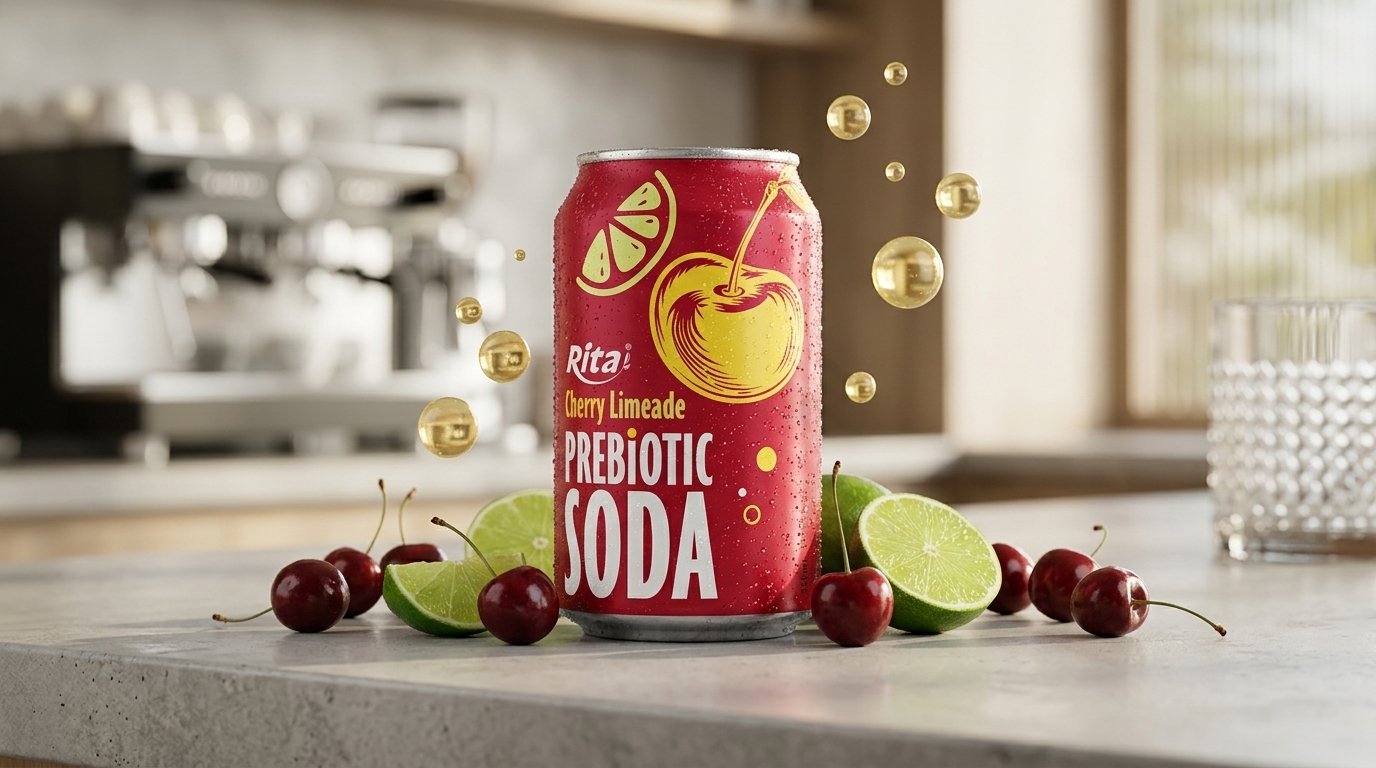
- Importers and distributors can leverage OEM/ODM partnerships to create tailored products for local markets, such as the Cherry Limeade Prebiotic Soda.
- HORECA channels offer significant growth potential for premium, functional beverages in the on-trade sector.
- Vietnam has emerged as a key manufacturing hub for prebiotic sodas, offering competitive pricing and large-scale production capacity.
- Cross-border trade opportunities are expanding, with products like prebiotic carbonated beverages meeting global regulatory and taste requirements.
Global Beverage Market Trends Driving Prebiotic Soda Demand
The shift toward functional beverages is no longer a niche trend but a mainstream movement. Consumers are increasingly scrutinizing ingredient labels and seeking products that offer tangible benefits without compromising on taste.
Rise of Better-For-You Carbonated Drinks
Traditional sodas have faced declining sales in many regions as health-conscious consumers move away from high-sugar options. In response, the industry has introduced a new wave of carbonated beverages that incorporate functional ingredients like prebiotics. These drinks provide a digestive wellness angle that resonates with modern shoppers, creating a strong pull for importers looking to diversify their portfolios.
Consumer Preference for Transparent Ingredients
Today’s buyers demand clarity about what goes into their drinks. Products with recognizable ingredients and no artificial additives are gaining traction. The prebiotic carbonated beverage market aligns perfectly with this trend, offering a clean label profile that appeals to both retail and HORECA customers.
Consumer Behavior Shifts Reshaping the Beverage Aisle
Understanding how and why consumers choose certain beverages is crucial for any import or distribution strategy. The prebiotic soda segment benefits from several behavioral shifts that are here to stay.
From Indulgence to Informed Choices
Consumers are moving away from purely indulgent consumption toward products that support their lifestyle goals. This doesn't mean they want to sacrifice flavor. The Cherry Limeade Prebiotic Soda, for example, delivers a bold, refreshing taste that satisfies cravings while offering a functional edge. This dual appeal is a powerful driver for repeat purchases.
Growing Demand in On-the-Go Formats
The 330ml short can format is particularly well-suited for modern consumption habits. It is portable, portion-controlled, and ideal for single-serve occasions. For HORECA operators, this size reduces waste and allows for easy inventory management. For retailers, it fits perfectly in grab-and-go coolers.
Import/Export Trade and Distribution Channels
For global importers and distributors, understanding the logistics and regulatory landscape is key to successfully bringing prebiotic sodas to new markets. Vietnam has established itself as a reliable source for high-quality beverages.
Vietnam as a Strategic Sourcing Hub
Manufacturers like RITA offer comprehensive export experience, with products shipped to the USA, Europe, Middle East, Asia, and Africa. Their facilities, spanning 30,000 square meters with 20+ production lines, can handle large-volume orders efficiently. This scale allows for competitive pricing without compromising on quality, a critical factor for distributors entering price-sensitive markets.
Navigating Global Compliance and Labeling
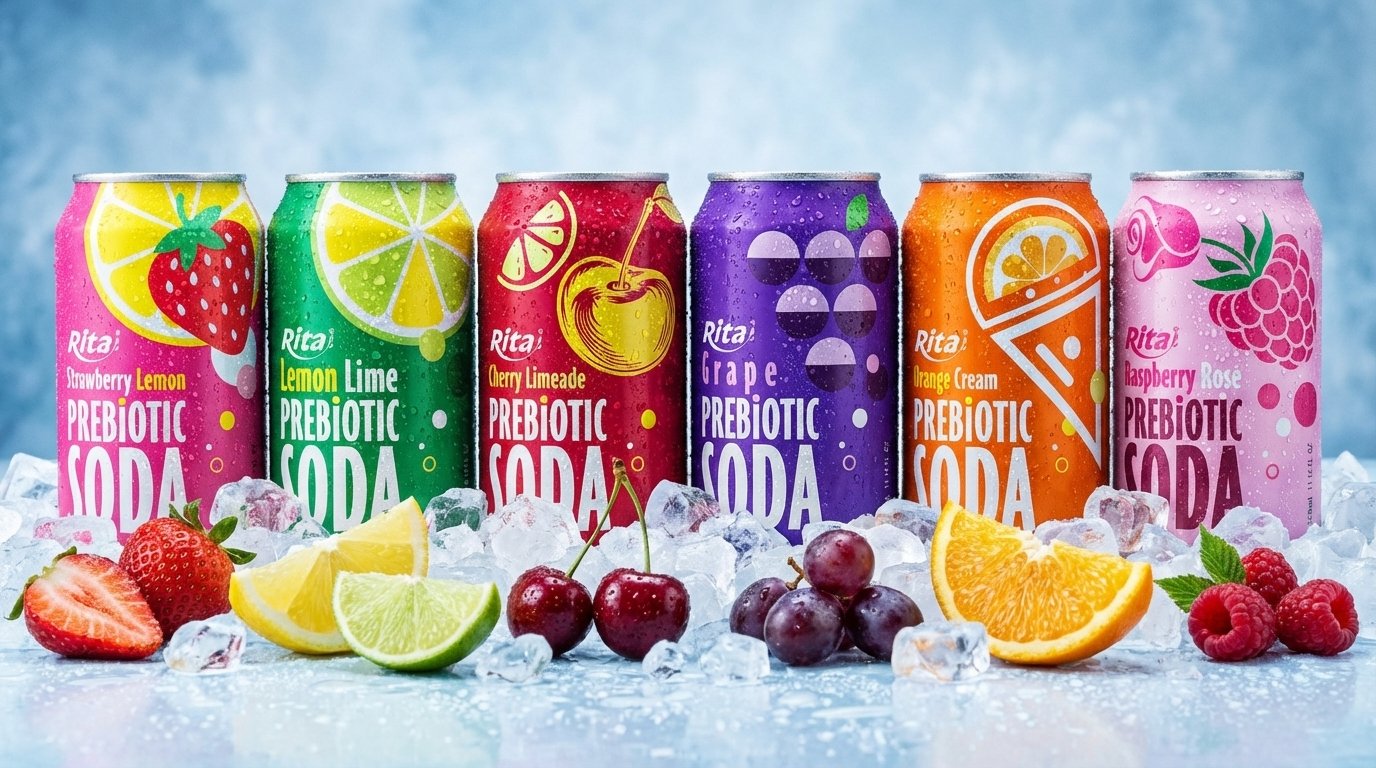
One of the biggest challenges in cross-border trade is meeting diverse regulatory standards. RITA’s certifications—including ISO, HACCP, HALAL, KOSHER, BRC, FSSC 22000, USDA Organic, and EU Organic—ensure that products like the 330ml aluminum can soda can be easily adapted for various regions. Their experience with international labeling and customs procedures simplifies the import process for partners.
OEM/ODM Manufacturing Partnerships for Market Entry
For beverage entrepreneurs and established brands alike, OEM and ODM partnerships offer a fast track to launching a prebiotic soda line without heavy upfront investment in production facilities.
Flexible Customization from Recipe to Shelf
RITA provides end-to-end support, from recipe development and flavor optimization to packaging design and brand development. This flexibility allows importers to create a product that perfectly matches local taste preferences. Whether adjusting sweetness levels or customizing the can artwork, the OEM/ODM model reduces barriers to entry.
Scalable Production for Growing Demand
With a monthly capacity of approximately 1,200 containers, RITA can support both initial market tests and large-scale rollouts. The company’s commitment to fast lead times and stable quality makes it a strategic partner for distributors looking to scale quickly. For more details on partnership opportunities, visit our OEM service page.
HORECA Applications and On-Trade Opportunities
The hotel, restaurant, and cafe (HORECA) sector represents a significant growth channel for prebiotic sodas. These venues are always looking for premium, distinctive beverages that can differentiate their offerings.
Mixology and Cocktail Innovation
Bartenders are increasingly using functional sodas as mixers to create craft cocktails that appeal to health-aware patrons. The tangy cherry-lime flavor profile works exceptionally well in both alcoholic and non-alcoholic drinks, offering versatility for bar menus.
Non-Alcoholic Beverage Programs
With the rise of mindful drinking, many HORECA operators are expanding their non-alcoholic beverage selections. Prebiotic sodas provide a sophisticated alternative to standard soft drinks, making them a strong addition to any beverage program. The 330ml short can is also ideal for room service or mini-bar setups in hotels.
Cross-Border Trade and Market Opportunities
The global prebiotic soda market is still in its growth phase, presenting early-mover advantages for importers and distributors who act now. Several regions show particularly strong potential.
Untapped Markets in Asia and the Middle East
While North America and Europe have seen rapid adoption, many Asian and Middle Eastern markets are just beginning to explore functional carbonated beverages. Importers in these regions can leverage Vietnam’s proximity and trade agreements to source products efficiently. RITA’s experience with global import customs and diverse taste preferences ensures a smooth market entry. Learn more about the company’s capabilities on the about us page.
E-Commerce and Direct-to-Consumer Channels
Cross-border e-commerce platforms allow smaller distributors to reach niche audiences without needing a physical presence. The compact 330ml can is ideal for shipping, and the product’s unique flavor and functional positioning make it highly shareable on social media. This digital-first approach can accelerate brand awareness and sales.
Frequently Asked Questions
1. What is the typical shelf life of a prebiotic soda like Cherry Limeade?
This product typically has a shelf life of 12 to 24 months from the production date when stored in a cool, dry place away from direct sunlight. Specific shelf life details are provided on the product label.
2. Can I customize the flavor or sweetness level for my target market?
Yes, through OEM and ODM partnerships, manufacturers can adjust the recipe, including flavor intensity, sweetness level, and mouthfeel, to match local consumer preferences. Flexible minimum order quantities are available.
3. What packaging options are available for prebiotic sodas?
In addition to the 330ml aluminum can, manufacturers offer a variety of packaging formats, including 200ml, 250ml, and 500ml cans, as well as PET bottles, glass bottles, and PP bottles in various sizes. Custom sizes can also be requested.
4. Are there any quality certifications that ensure global compliance?
Yes, reputable manufacturers hold certifications such as ISO, HACCP, HALAL, KOSHER, BRC, FSSC 22000, USDA Organic, and EU Organic. These certifications help ensure the product meets international food safety and quality standards.
5. What is the minimum order quantity for importing this product?
Minimum order quantities vary depending on the packaging format and customization requirements. However, many manufacturers offer flexible MOQs to accommodate both trial orders and large-scale commercial shipments.